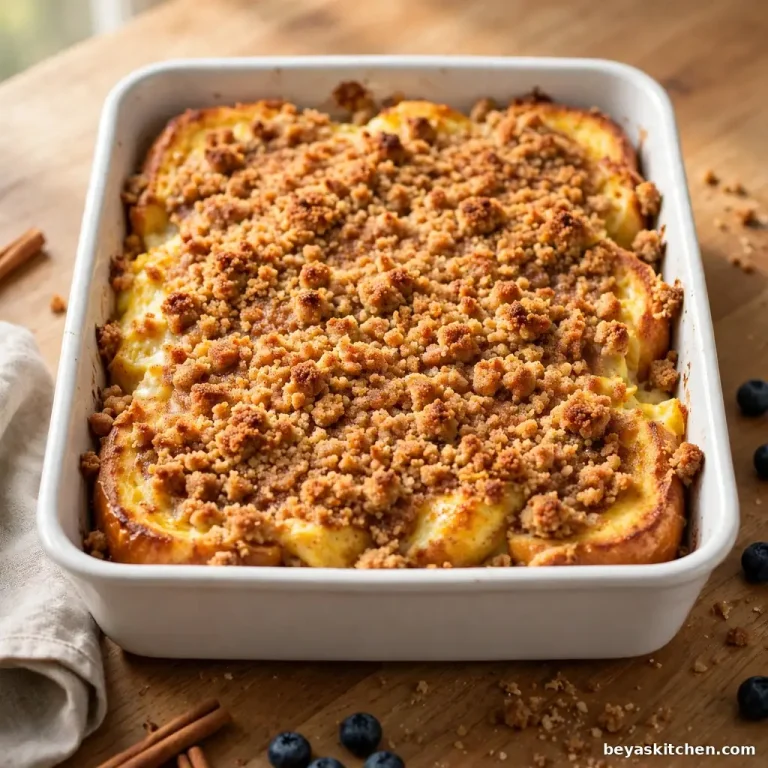
Fluffy Pancake Recipe: Easy, Soft, and Golden Every Time
A flat, heavy pancake can ruin a slow morning. This pancake recipe fixes that problem with one bowl, basic pantry items, and a short rest for the batter. The pancakes come out soft in the middle, golden at the edges, and light enough to stack high. You mix, you wait five minutes, and the skillet does the rest. No special tools, no hard steps, just warm pancakes that taste like a calm weekend.
Why You Will Love This Recipe
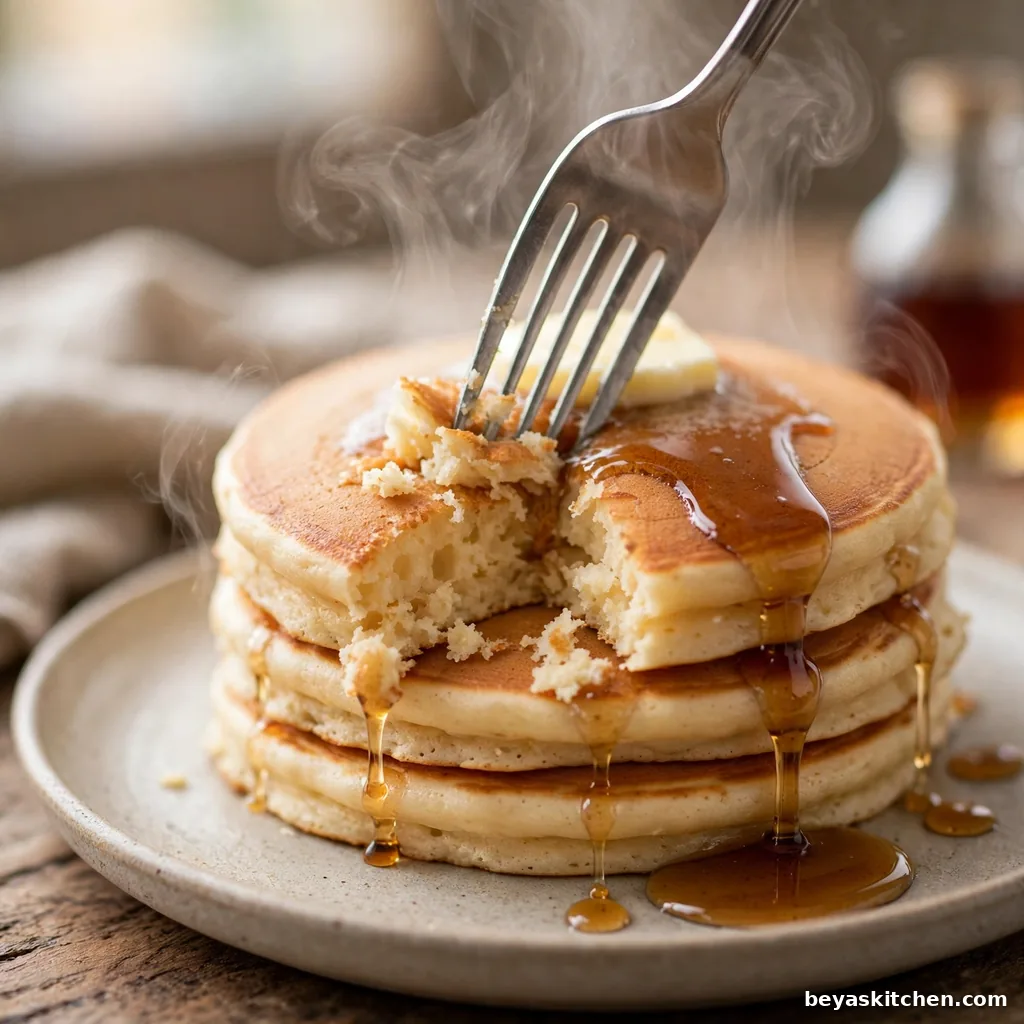
A good pancake should bend a little when you cut it, not fight the fork. It should taste warm and buttery all the way through, with edges that turn just a little crisp in the pan. This recipe was built around those two things. The steps stay short, the items stay basic, and the result looks like the stack on a cafe menu.
- The batter rests for five minutes, and that short wait makes the pancakes rise soft and tall.
- One bowl does all the work, so washing up stays quick and easy.
- The full recipe takes 25 minutes from start to plate.
- Kids can help pour and flip, and the steps stay safe and simple.
- The batter uses milk, not buttermilk, so no special shopping trip is needed.
- Leftovers freeze well and taste fresh again after a short warm-up.
Ingredients
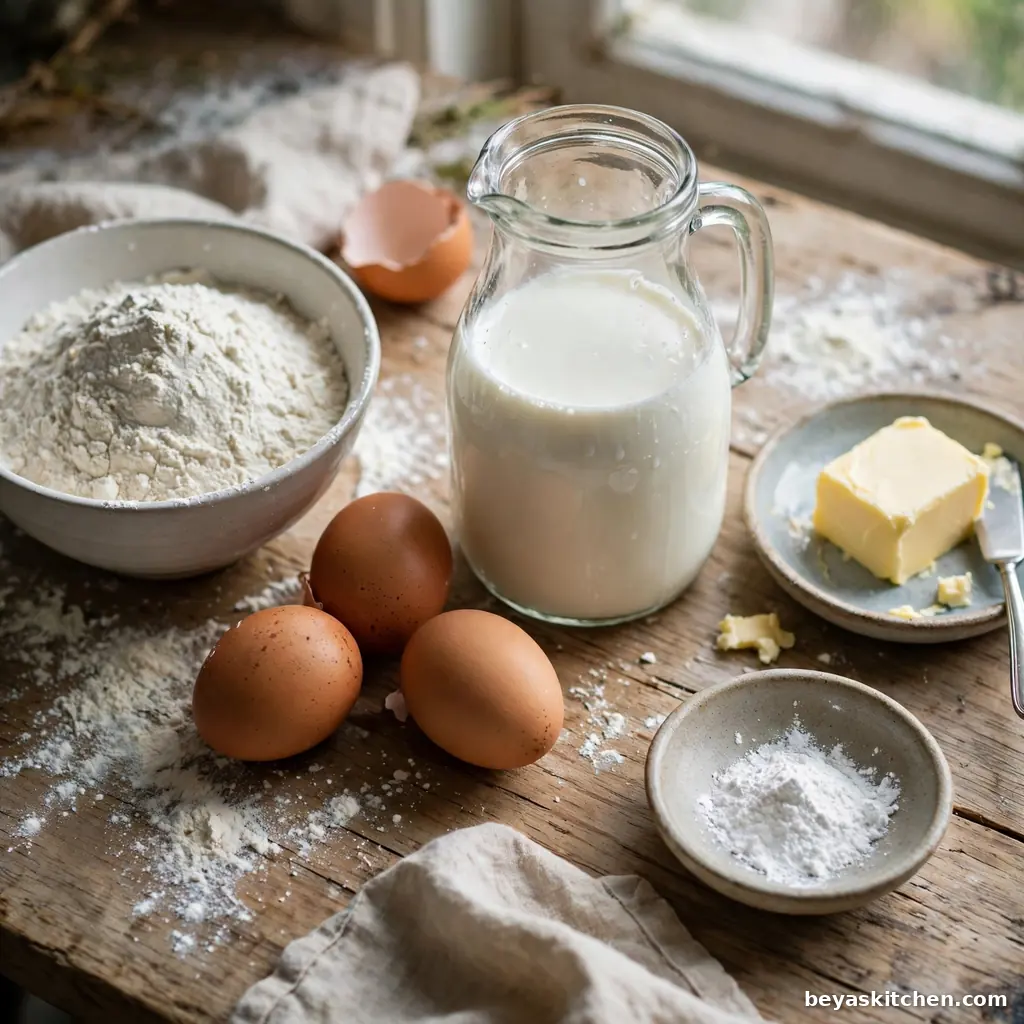
This pancake recipe works best when the milk and eggs are not ice cold. Take them out of the fridge about 15 minutes early if you can. Room temperature items mix into a smoother batter and cook more evenly.
- 2 cups all-purpose flour (King Arthur flour gives a steady rise and a tender crumb)
- 2 tablespoons granulated sugar
- 2 teaspoons baking powder
- 1/2 teaspoon baking soda
- 1/2 teaspoon fine salt (Diamond Crystal kosher salt mixes in fast and even)
- 1 1/4 cups whole milk (or 2% milk)
- 2 large eggs
- 3 tablespoons unsalted butter, melted, plus a little more for the pan
- 1 teaspoon vanilla extract
Flour: all-purpose flour keeps the crumb soft. Whole wheat flour works too, but the pancakes will taste a bit more dense.
Milk: whole milk gives the richest taste. Oat milk or almond milk also work for a dairy free batch.
Butter: melted butter adds flavor. Melted coconut oil or a plain vegetable oil can take its place.
Eggs: eggs hold the batter together and help it rise. See the allergen notes below for an egg free swap.
Allergen and Dietary Disclosure
Contains: gluten (flour), dairy (milk and butter), and eggs.
Gluten-Free Option: use a cup for cup gluten free flour blend with xanthan gum. The pancakes stay soft, but rest the batter a full 10 minutes so the flour can soak up the milk.
Dairy-Free Option: swap the milk for oat milk and the butter for melted coconut oil. The taste stays mild and sweet.
Nut-Free: this recipe has no nuts. Check your flour and milk labels if you cook for someone with a nut allergy.
Egg-Free Option: swap each egg for 1/4 cup of plain yogurt or mashed banana. The pancakes will be a little more dense but still soft.
Always confirm ingredients with your specific brand labels, as formulations vary by manufacturer.
Step-by-Step Instructions
Step 1: Put the flour, sugar, baking powder, baking soda, and salt in a large bowl. Whisk them for about 20 seconds. The mix should look even, with no white pockets of baking powder left.
Step 2: In a second bowl, whisk the milk, eggs, melted butter, and vanilla until the mix looks smooth and pale. Pour it all in at once.
Step 3: Pour the wet mix into the dry mix. Stir with a spoon or a soft spatula just until you see no dry flour. The batter will look lumpy, and that is right. Stop stirring as soon as the flour is wet.
Chef’s Note: Lumps are your friend here. Every extra stir makes the pancakes tough, because it wakes up the gluten in the flour. Ten gentle stirs beat thirty hard ones, every single time.
Step 4: Let the batter rest for 5 minutes. Do not stir it again. Small bubbles may form on top, and the batter will look a little thicker. That rest is what makes the pancakes tall.
Step 5: Heat a large skillet or griddle on medium heat for about 2 minutes. Brush the pan with a thin layer of butter. The pan is ready when a drop of water dances and fades fast.
Step 6: Pour about 1/4 cup of batter for each pancake. Leave space between them, because they spread as they cook. The tops will slowly form small bubbles.
Step 7: Wait until the bubbles on top pop and stay open, and the edges look dry and set, about 2 minutes. Slide a spatula under one pancake and flip it in one smooth move. Cook the second side for about 1 minute, until it turns golden.
Chef’s Note: Flip only once. A second flip presses out the air you worked to keep, and the pancake comes out flat. One calm flip keeps the inside soft and full of tiny air pockets.
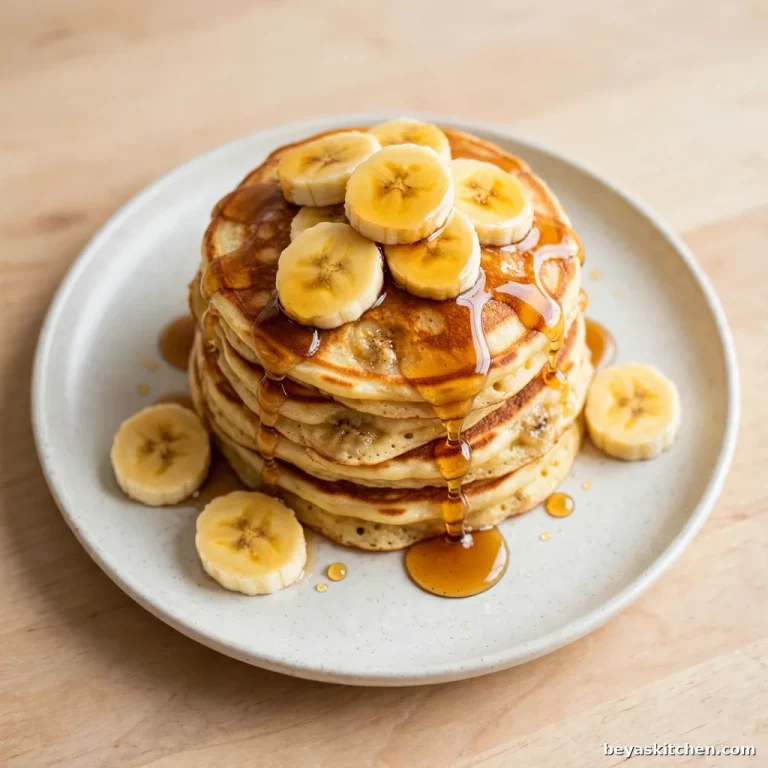
Step 8: Move the pancakes to a warm plate. Repeat with the rest of the batter, and add a little butter to the pan between batches. Serve warm, stacked high, with butter and maple syrup on top.
A quick word about your pan: a heavy skillet or a flat griddle gives the most even color, because the heat stays steady across the surface. A thin pan has hot spots that brown one side too fast. If your first pancake comes out pale on one side and dark on the other, turn the pan a little between batches so the heat spreads out.
Cook each pancake until the center is fully set and no wet batter shows when you press the top with a spatula. Undercooked batter means the egg in the mix is not fully cooked.
The Lumpy Batter Rule
Most pancake problems start in the mixing bowl, not in the pan. Smooth batter looks nice, but it makes flat, chewy pancakes. If you can still see small lumps and a few tiny flour spots after ten stirs, you did it right. Walk away from the bowl and let the rest do the work.
Expert Tips and Tricks
- Warm pan, steady heat: if the first pancake browns too fast, lower the heat a little and wait one minute before the next batch.
- Measure the flour right: spoon flour into the cup and level it with a knife. A packed cup adds too much flour and makes heavy pancakes.
- Keep them warm: hold finished pancakes on a plate in a 200°F oven while you cook the rest.
- Make ahead: mix the dry items the night before and store them in a sealed jar. In the morning, add the wet items and cook.
- Freeze for busy days: cool the pancakes fully, stack them with small sheets of baking paper between each one, and freeze in a sealed bag for up to 2 months.
- Test one first: cook one small pancake before the full batch. It tells you if the heat is right and if the batter needs a pinch more salt.
- Do not press the pancake: pressing with the spatula after the flip pushes out the air and flattens the rise. Let the heat do the work and keep your spatula off the top.
- Thicker batter, taller stack: if you like extra thick pancakes, hold back 2 tablespoons of the milk. The batter will spread less in the pan and the stack will sit higher.
How the Allergen Swaps Change the Pancakes
Gluten free flour makes the batter a bit thinner, so the 10 minute rest matters more. Oat milk adds a mild sweet taste and keeps the crumb soft. The yogurt swap for eggs gives a gentle tang and a slightly thicker pancake. None of these swaps change the cook time in a big way, but watch the first batch and adjust the heat if the bottoms brown too fast.
Small Bubbles, Big Signal
The bubbles on top of the pancake are your timer. Tiny bubbles that form and pop mean the inside is setting and the bottom is golden. If you flip before the bubbles pop, the top is still wet and the pancake can tear. Wait for the pop, then flip once with confidence.
Storage Instructions
Room Temperature: not recommended for more than 2 hours. Cooked pancakes dry out fast on the counter and pick up dust and germs.
Refrigerator: keep cooled pancakes in a sealed container for up to 3 days. Put a sheet of baking paper between layers so they do not stick.
Freezer: freeze in a sealed bag with baking paper between each pancake for up to 2 months. Thaw in the fridge overnight or warm from frozen.
Reheating: warm pancakes in a toaster on a low setting for a crisp edge, or in a 300°F oven for 5 to 6 minutes. A microwave works too, about 20 seconds per pancake, but the edges stay soft.
Make-Ahead Notes: the dry mix keeps in a sealed jar for up to 1 month. Cooked batter should not wait more than 30 minutes, because the baking powder loses its power.
Variations and Substitutions
The plain stack is the base. Once you trust the batter, small changes give you a new breakfast without a new recipe. Add soft items like berries and banana right into the pan or the bowl. Add dry spice to the dry mix so it spreads even. Keep the same heat and the same flip rule for every version below.
Blueberry Pancakes: drop 1/2 cup of fresh blueberries onto each pancake right after you pour the batter. The berries burst a little and turn sweet and jammy.
Banana Pancakes: mash one ripe banana and stir it into the wet mix. Cut the sugar to 1 tablespoon, because the banana adds its own sweetness.
Chocolate Chip Pancakes: fold 1/3 cup of chocolate chips into the batter at the end. This one is a kid favorite and needs no syrup on top.
Lemon Pancakes: add the grated zest of one lemon to the dry mix and swap the vanilla for lemon juice. The taste is bright and fresh.
Cinnamon Pancakes: add 1 teaspoon of ground cinnamon to the dry mix. Serve with warm apples cooked in a little butter for a cozy plate.
What to Serve With This
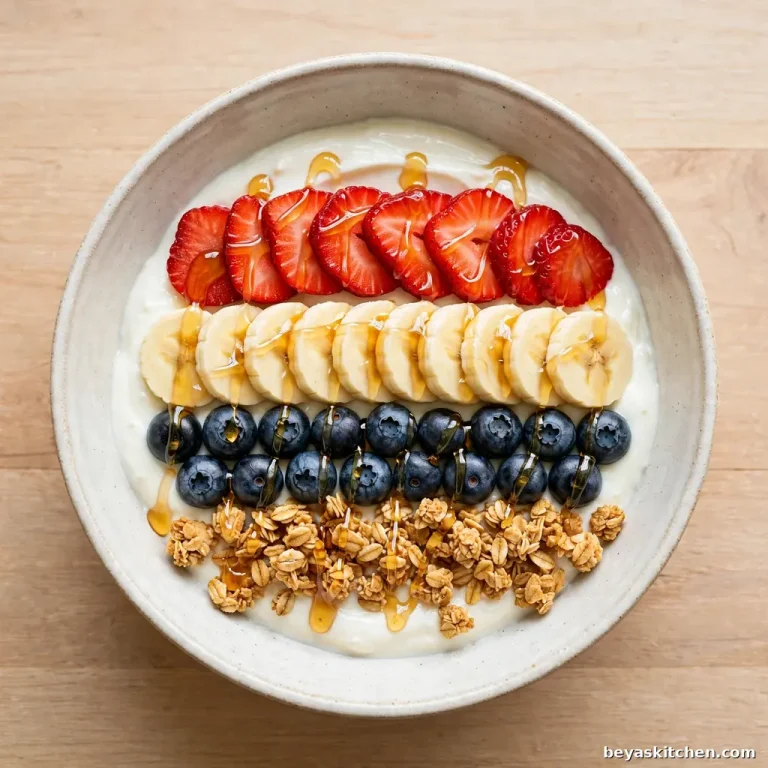
Fresh fruit: sliced strawberries, bananas, or a handful of blueberries add color and a fresh bite next to the soft stack.
Scrambled eggs: soft eggs on the side add protein and turn the plate into a full breakfast.
Grilled chicken strips: for a bigger brunch plate, plain grilled chicken gives a salty balance to the sweet syrup.
Yogurt and honey: a spoon of thick yogurt with a little honey on top adds a cool, tangy layer.
Hot tea or coffee: a warm drink cuts the sweetness and makes the meal feel slow and relaxed.
Nutrition Information
| Calories per Serving | 350 (approximate) |
| Protein | 9g |
| Carbs | 52g |
| Fat | 12g |
| Fiber | 2g |
| Sugar | 12g |
| Sodium | 620mg |
| Serving Size | 2 pancakes |
| Servings per Recipe | 4 |
Most of the energy in this plate comes from the flour, which makes the pancakes filling and steady. The eggs and milk add protein that helps the meal last until lunch. Sugar stays low in the batter itself, so most of the sweetness comes from what you pour on top. If you want a lighter plate, use fruit instead of syrup and skip the extra butter.
Disclaimer: Nutrition values are approximate and calculated per serving using standard ingredient amounts. Values may vary based on brands used and portion sizes.
Follow on Pinterest for new updates at Beyaskitchen
Frequently Asked Questions
1. Why are my pancakes flat and not fluffy?
Flat pancakes usually come from old baking powder or too much stirring. Baking powder loses power after about six months in the cupboard, so check the date on the tin. Stir the batter only until the flour is wet, and let it rest five minutes. That short rest lets the baking powder make tiny bubbles, and those bubbles are what lift your pancake recipe to a tall, soft stack.
2. Can I make the batter the night before?
You can, but the pancakes will rise a little less. The baking powder starts working as soon as it meets the milk, and it slowly loses power in the fridge. A better plan is to mix the dry items at night and the wet items in the morning, then join them and rest five minutes. If you must store mixed batter, use it within 12 hours and stir it only once, very gently, before cooking.
3. What can I use instead of milk in this pancake recipe?
Oat milk is the closest swap and keeps the pancakes soft and mild. Almond milk works too, but the batter will be a bit thinner, so hold back about 2 tablespoons. You can also use water with 1 extra tablespoon of melted butter for richness. Plain yogurt thinned with a little water gives a gentle tang and a thick, fluffy result. Each swap keeps the cook time about the same.
4. How do I know when a pancake is ready to flip?
Watch the top, not the clock alone. Small bubbles form on the surface as the pancake cooks. When those bubbles pop and the little holes stay open, and the edges look dry and firm, the bottom is golden and the pancake is ready. This takes about 2 minutes on medium heat. Flip once, cook about 1 more minute, and press the top gently. It should spring back, not feel wet.
5. Why do my pancakes burn on the outside but stay raw in the middle?
The heat is too high. A very hot pan browns the bottom fast, while the thick middle has no time to cook through. Lower the heat to medium, or a little below, and give the pan one minute to settle. Use the full 1/4 cup measure so pancakes stay an even size. If the first pancake burns, treat it as a test, fix the heat, and the rest of the batch will come out golden and cooked through.
Conclusion
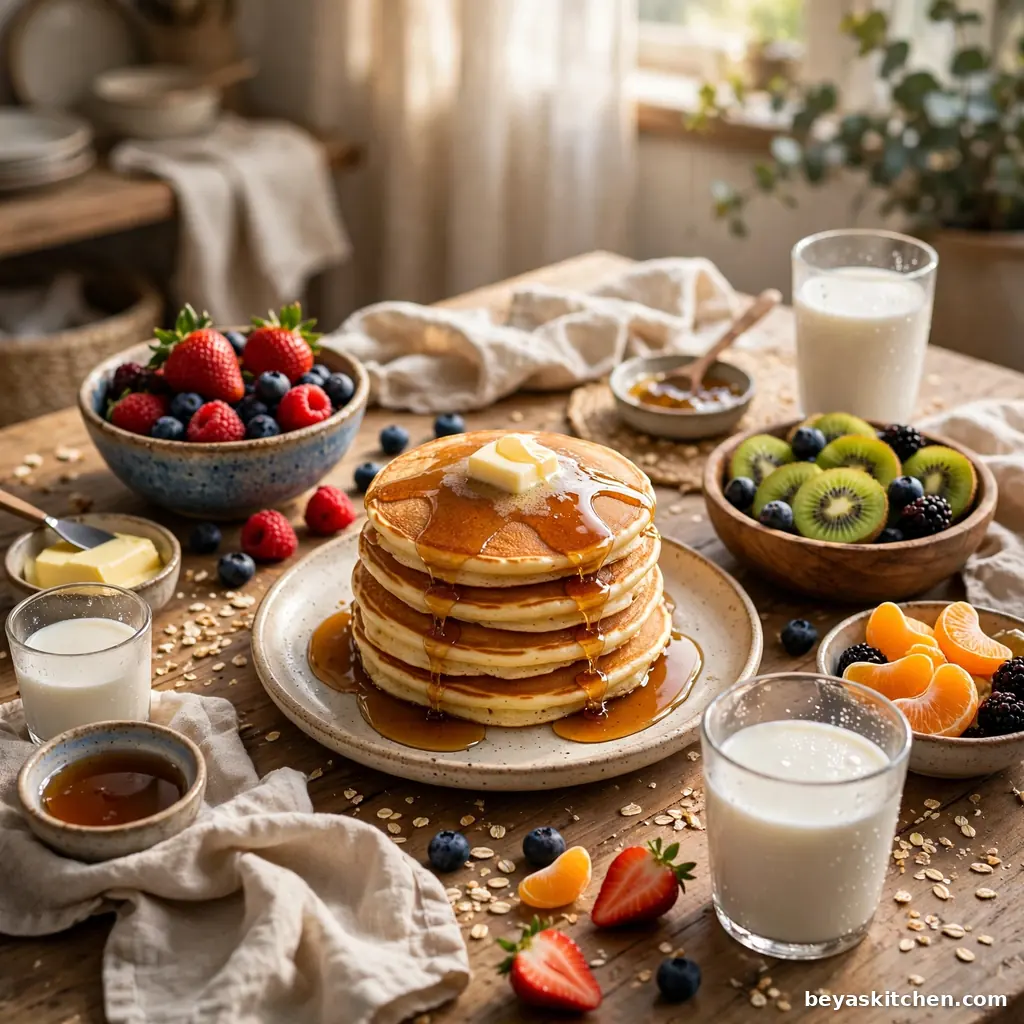
Good pancakes do not need hard steps or rare items. They need fresh baking powder, a gentle hand with the spoon, and five quiet minutes of rest. Keep those three things in mind and this pancake recipe will give you a tall, golden stack every time. Pour the syrup, call everyone to the table, and enjoy them while they are warm. If you loved this recipe, save it to your breakfast Pinterest board so you can find it easily later!
Get more updates at: beyaskitchen
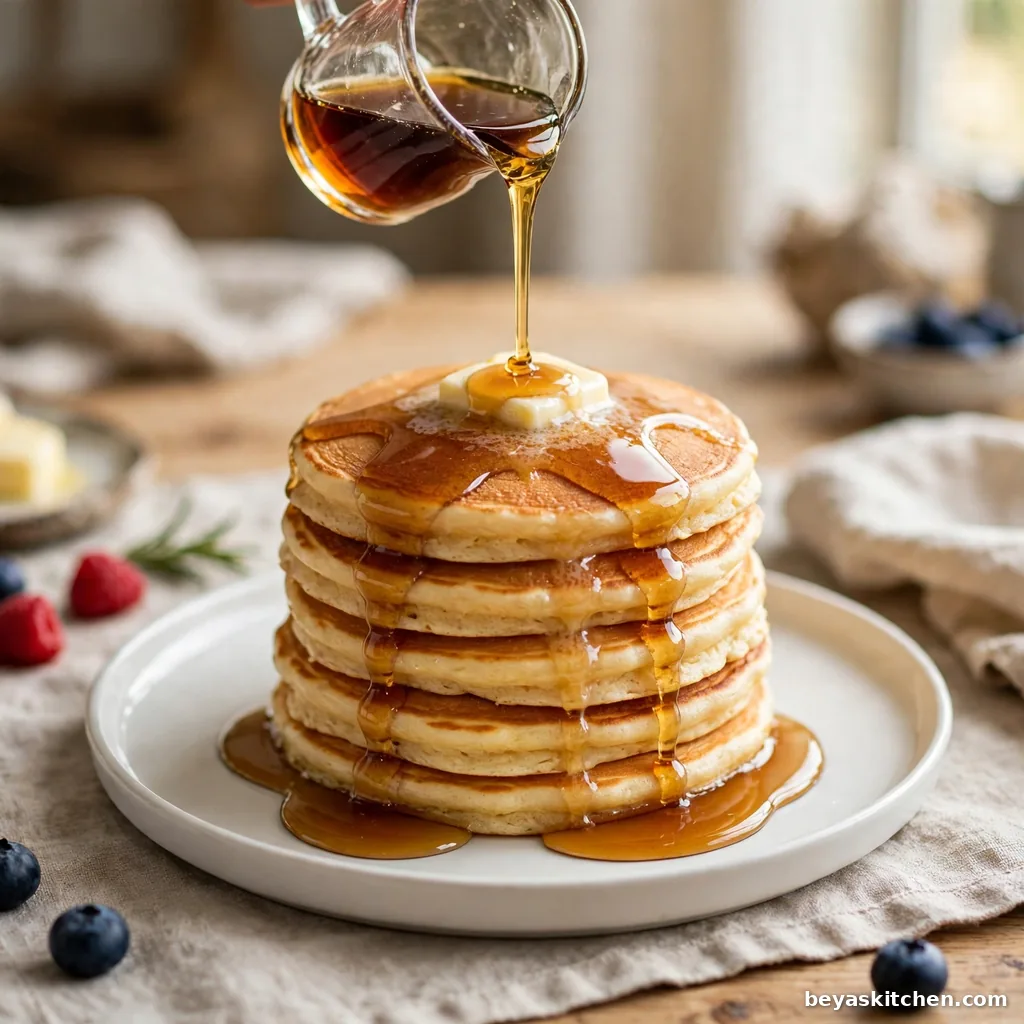
Fluffy Pancakes
Ingredients
Method
- Whisk the flour, sugar, baking powder, baking soda, and salt in a large bowl for about 20 seconds.
- In a second bowl, whisk the milk, eggs, melted butter, and vanilla until smooth and pale.
- Pour the wet mix into the dry mix and stir just until no dry flour shows. Keep the batter lumpy.
- Rest the batter for 5 minutes. Do not stir it again.
- Heat a large skillet on medium heat for 2 minutes and brush it with a thin layer of butter.
- Pour 1/4 cup of batter for each pancake, leaving space between them.
- Cook about 2 minutes, until the bubbles on top pop and the edges look set. Flip once and cook about 1 minute more, until golden.
- Move the pancakes to a warm plate, repeat with the rest of the batter, and serve warm with butter and maple syrup.