Easy Cornbread Recipe with a Soft, Golden Crust
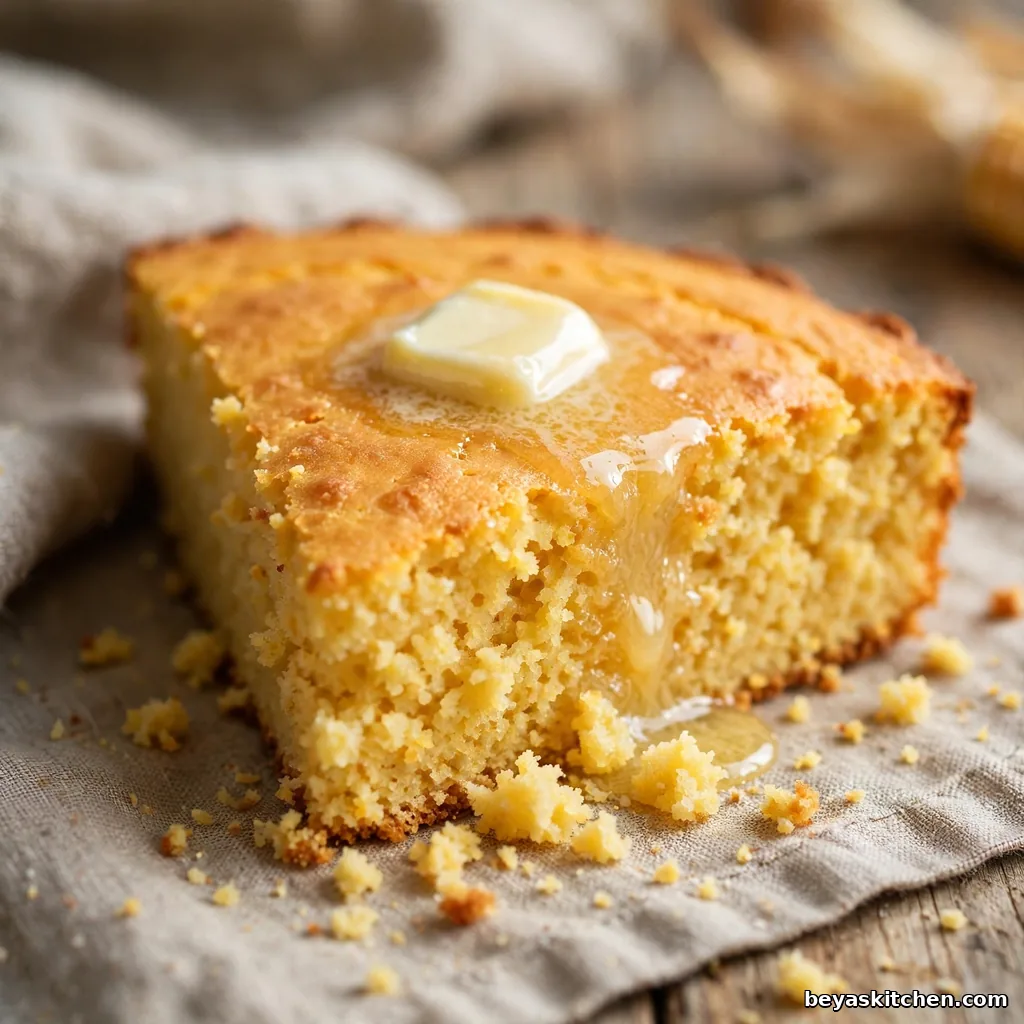
Warm cornbread can turn a plain soup night into a meal everyone talks about. This cornbread recipe gives you a soft, tender middle and crisp golden edges. The batter mixes in one bowl in just a few minutes. It bakes in a hot cast iron skillet, so the crust comes out rich and crunchy. Serve it warm with butter, and watch the slices go fast.
Why You Will Love This Recipe
- The batter takes about 10 minutes to mix, with no mixer and no hard steps.
- One hot skillet does all the work, so there is very little washing up.
- The middle stays soft and moist, never dry or chalky, even when you reheat a slice the next day.
- The edges bake up crisp and golden in the hot buttered pan, with a rich corn taste in every bite.
- It pairs with soups, chili, and roast dinners, so one pan fits many meals.
- Leftovers freeze well, so you can bake once and enjoy slices all month.
Ingredients
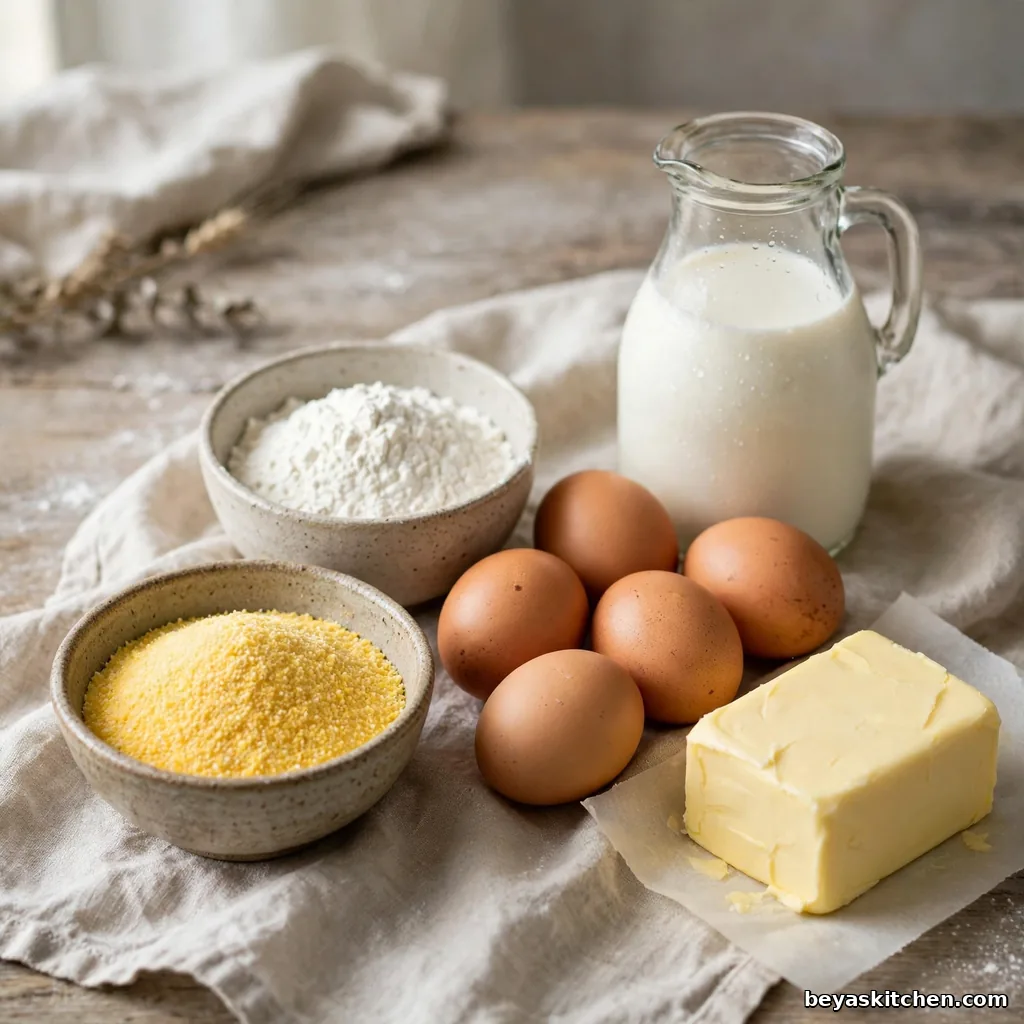
- 1 cup yellow cornmeal, fine or medium grind
- 1 cup all-purpose flour
- 1 tablespoon baking powder
- 1/2 teaspoon salt
- 2 tablespoons sugar, for a light sweet taste
- 1 cup buttermilk, at room temperature
- 2 large eggs, at room temperature
- 1/4 cup unsalted butter, melted, for the batter
- 1 tablespoon unsalted butter, for the hot skillet
Allergen and Dietary Disclosure
Contains: Wheat, from the all-purpose flour. Milk, from the buttermilk and butter. Egg, from the eggs.
Gluten-Free Option: Swap the all-purpose flour for a 1 to 1 gluten free baking blend. Let the batter rest for 10 minutes before baking so the blend can soak up the liquid.
Dairy-Free Option: Use a dairy free milk with 1 tablespoon of lemon juice stirred in, and swap the butter for a neutral oil. The crust will be a little less rich, but the bread still bakes up soft.
Nut-Free: The recipe as written has no nuts at all.
Egg-Free Option: Stir 1 tablespoon of ground flaxseed with 3 tablespoons of water for each egg. Rest the mix for 5 minutes, then use it in place of the eggs.
Always check the labels on your own brands, because recipes for store foods can change.
Step-by-Step Instructions
The method is simple: heat the pan, stir two bowls into one, and bake. The only rule that really matters is a light hand with the spoon. Read all the steps once before you start, and the bread will come out right the first time.
Step 1: Set your oven to 400°F. Put a 10 inch cast iron skillet inside the oven while it heats up. A hot pan is the key to a crisp crust, so do not skip this part.
Step 2: Put the cornmeal, flour, baking powder, salt, and sugar in a big bowl. Stir them well with a spoon so the baking powder spreads through the mix.
Step 3: In a second bowl, beat the buttermilk and eggs with a fork until smooth. Pour in the melted butter and stir once more.
Step 4: Pour the wet mix into the dry mix. Stir just until you see no dry flour left. A few small lumps are fine and even good.
Chef’s Note: Stop stirring as soon as the flour is gone. Too much stirring makes the bread tough and flat. A gentle hand here is what keeps the crumb soft and light.
Step 5: Take the hot skillet out of the oven with a thick oven mitt. Drop in the 1 tablespoon of butter. Swirl the pan so the butter coats the bottom and the sides.
Chef’s Note: The butter should foam and smell warm and nutty. That hot butter fries the edges of the bread the second the batter lands, and it also keeps the slices from sticking to the pan.
Step 6: Pour the batter into the hot skillet. It should sizzle in a soft way at the edges. Spread the top flat with the back of a spoon.
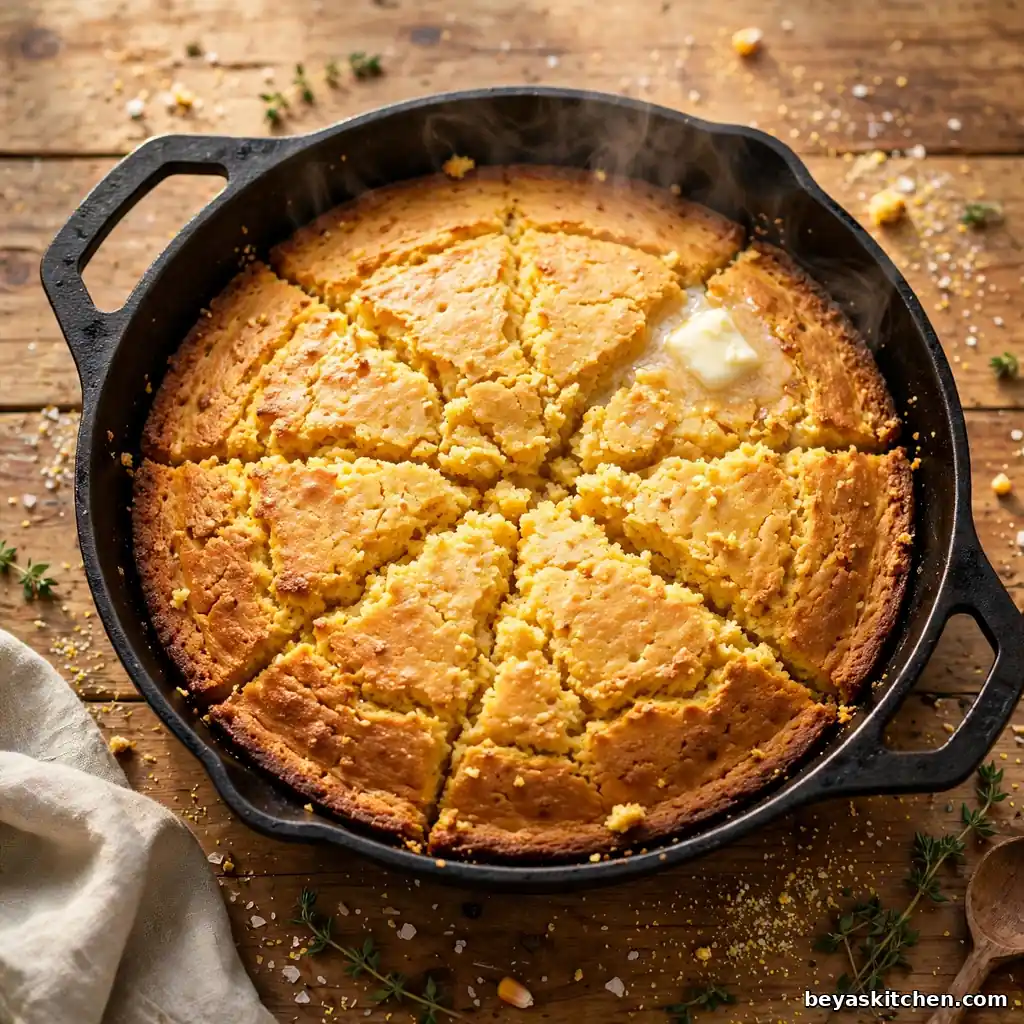
Step 7: Put the skillet back in the oven. Bake for 20 to 25 minutes. The bread is done when the top is deep golden and a toothpick pushed into the middle comes out clean. The edges will pull away from the pan a little.
Step 8: Let the bread rest in the pan for 10 minutes. Then cut it into 8 wedges and serve it warm.
Chef’s Note: The rest matters more than you think. Hot bread is full of steam, and steam makes slices crumble. Ten quiet minutes let the middle set, so each wedge cuts clean and holds together.
Expert Tips for the Best Cornbread
- Use room temperature buttermilk and eggs. Cold foods slow the rise and give a shorter, denser bread.
- Spoon the flour into the cup and level it off. Scooping packs the flour down and makes the bread dry.
- Never put batter in a cold pan. A cold pan gives pale, soft sides with no crisp bite.
- Check the date on your baking powder. Old powder loses its power, and the bread will not rise well.
- Serve the bread warm if you can. Cornbread dries out as it cools, so a warm slice always tastes best.
- Warm up leftovers before you eat them. Eight minutes in a 300°F oven brings back the soft middle and the crisp edge.
- Cut wedges with a thin knife and one clean push down. Sawing back and forth tears the soft crumb.
- If the top browns too fast in your oven, lay a loose sheet of foil over the pan for the last 5 minutes.
The Hot Pan Is the Whole Trick
Most cornbread problems start with a cold pan. When cold batter sits in a cold skillet, the edges cook slow and turn out pale and soft. A hot, buttered pan starts the crust at once. You get deep golden edges, a clean release, and that rich fried corn taste in every bite. Heat the pan every single time.
Storage Instructions
Room Temperature: Keep the cooled bread in a covered box for up to 2 days. Lay a paper towel under the slices to catch extra moisture.
Refrigerator: Store slices in a sealed box for up to 5 days. The fridge makes the crumb a bit firm, so warm slices before you serve them.
Freezer: Wrap each slice tight in plastic wrap, then put the slices in a freezer bag. They keep well for up to 3 months.
Reheating: Warm slices in a 300°F oven for 8 to 10 minutes. For one fast slice, use the microwave for 20 seconds, but the crust will be soft.
Make-Ahead Notes: Mix the dry foods and the wet foods in two separate bowls the night before. Keep both bowls covered in the fridge. Stir them together in the morning and bake fresh.
Keep the Crust Crisp in Storage
Warm bread sealed in a tight box makes steam, and steam turns a crisp crust soft. Always let the bread cool fully before you close the lid. If your box has a small vent, leave it open a crack on the first day. Your slices will keep their golden bite for much longer.
Variations and Substitutions
Honey Sweet Style: Swap the sugar for 3 tablespoons of honey, and cut the buttermilk back by 1 tablespoon. Drizzle a little warm honey on top of each slice when you serve it.
Spicy Cheese Style: Fold in 1 small jalapeño cut very fine and 3/4 cup of shredded cheddar cheese. The heat is mild, and the cheese melts into rich pockets.
Corn in Every Bite: Stir 3/4 cup of sweet corn kernels into the batter. Fresh corn is best in summer, and thawed frozen corn works well all year. Pat the kernels dry first so they do not add extra water to the crumb.
Blueberry Morning Style: Fold in 3/4 cup of fresh blueberries. Serve these warm slices at breakfast with a little butter and a glass of milk.
Muffin Style: Skip the skillet and spoon the batter into a lined muffin tin. Fill each cup about 3/4 full and bake at 400°F for 14 to 16 minutes.
What to Serve With This
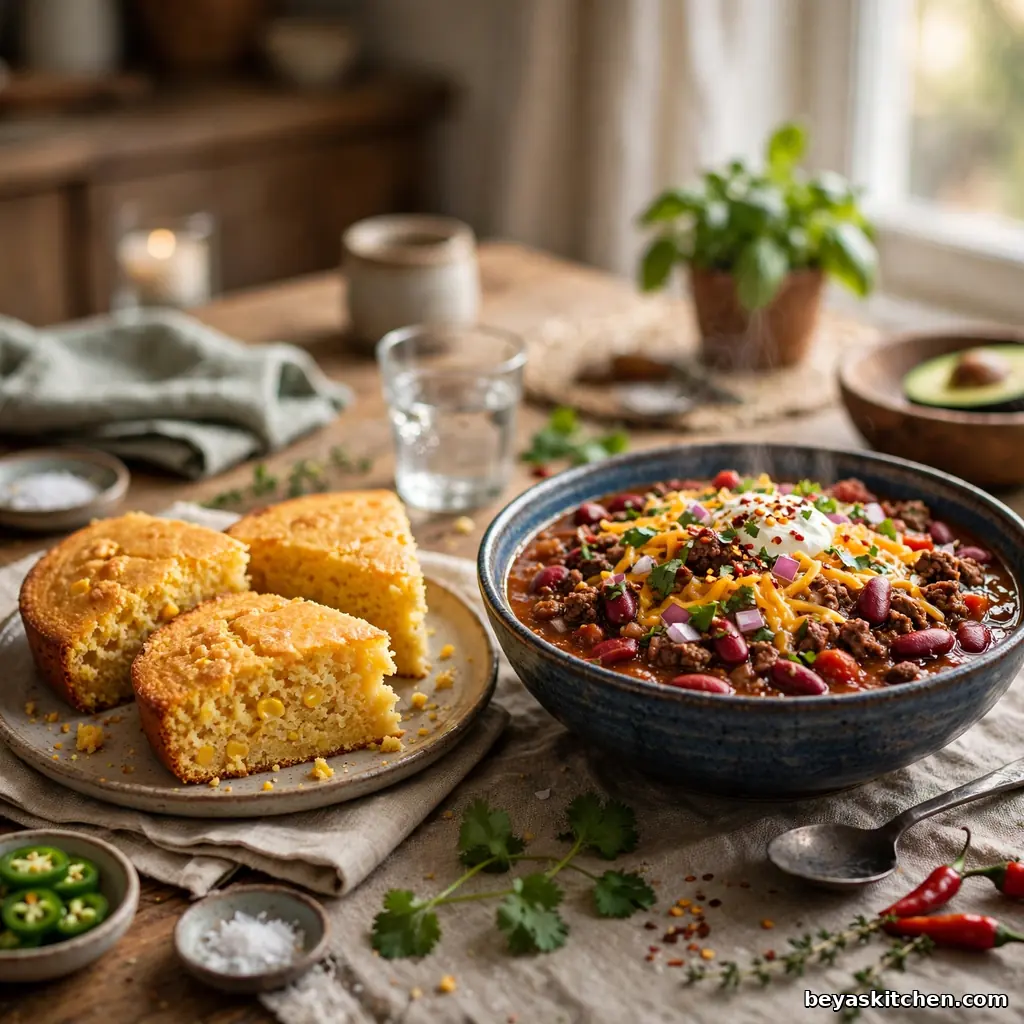
Beef chili: The classic partner. A warm wedge soaks up the rich sauce and cools the heat in each bite. Crumbling a little bread right into the bowl is also very good.
Chicken noodle soup: Soft cornbread turns a light soup into a full, warm dinner on cold nights. Kids love to dip a buttered wedge into the broth.
Roast chicken dinner: The golden slices catch the pan juices on the plate and add a nice sweet corn taste. Serve them in place of rolls for a change.
Slow cooked beef and beans: Hearty beans need a sturdy bread beside them, and this one holds up well. A thick wedge will not fall apart when you scoop.
A big green salad: On warm days, one slice with a crisp salad makes a simple, light lunch. Toast day old slices and cut them into cubes for quick croutons.
Nutrition Information
| Per Serving | Amount |
|---|---|
| Calories | 220 |
| Protein | 5 g |
| Carbs | 29 g |
| Fat | 9 g |
| Fiber | 2 g |
| Sugar | 6 g |
| Sodium | 260 mg |
| Serving Size | 1 wedge |
| Servings per Recipe | 8 |
Nutrition values are approximate and worked out per serving with standard amounts. Your numbers may change a little with other brands or bigger wedges.
Follow on Pinterest for new updates at Beyaskitchen
Frequently Asked Questions
1. How do I keep cornbread from turning out dry?
Dry bread usually comes from too much flour or too much time in the oven. Spoon and level your flour, never scoop it. Stir the batter just until the flour is gone. Then pull the pan out as soon as a toothpick comes out clean. The bread keeps cooking a little in the hot cast iron pan, so those last minutes of rest finish the job with no dry crumb. Serving it warm with butter also helps every slice taste moist.
2. Can I make this cornbread recipe without buttermilk?
Yes, and the swap is easy. Pour 1 cup of plain milk into a cup and stir in 1 tablespoon of lemon juice or white vinegar. Let it sit for 5 minutes. The milk will thicken a little and turn slightly tangy, just like buttermilk. Use it the same way in the batter. The bread will rise well and taste almost the same. Plain yogurt thinned with a splash of milk also works in the same amount.
3. How do I know when cornbread is done baking?
Look for three signs together. The top should be a deep golden color, not pale. The edges should pull away from the sides of the pan a little. A toothpick pushed into the center should come out clean, with no wet batter on it. If crumbs stick but no wet batter, the bread is done. The center should also spring back when you press it gently with one finger. Start checking at the 20 minute mark, because home ovens can run hot or cool.
4. Can I bake this cornbread ahead of time?
Yes. Bake it in the morning, let it cool, and keep it covered at room temperature. Warm the whole skillet in a 300°F oven for about 10 minutes before you serve. For a longer head start, freeze the baked wedges for up to 3 months and warm them the same way. You can also mix the dry foods and wet foods in two bowls the night before and bake fresh in the morning. Fresh and warm always tastes best, but a reheated slice is still very good.
5. Why does my cornbread crumble and fall apart when I cut it?
Most of the time, the bread was cut too soon. Steam inside a hot loaf makes the crumb weak, so the knife tears it apart. Always rest the bread for a full 10 minutes before you cut, and use one clean push with a thin knife instead of sawing. A second cause is old baking powder that did not lift the batter. A well risen loaf has a tighter crumb and cuts into clean, firm wedges.
Conclusion
Good cornbread asks for so little and gives back so much. A bowl of simple batter, one hot skillet, and about half an hour are all it takes. The soft middle and crisp golden edges make this cornbread recipe a side dish your family will ask for again and again. Bake a pan this week and serve it warm with your best soup or chili. Once you taste a fresh wedge with melting butter, the store bought mixes will lose their charm for good. If you loved this recipe, save it to your breads and baking Pinterest board so you can find it easily later.
Get more updates at: beyaskitchen
Ingredients
Method
- Heat the oven to 400°F. Put a 10 inch cast iron skillet in the oven while it heats.
- Stir the cornmeal, flour, baking powder, salt, and sugar in a big bowl.
- Beat the buttermilk and eggs in a second bowl. Stir in the melted butter.
- Pour the wet mix into the dry mix. Stir just until no dry flour shows. A few lumps are fine.
- Take the hot skillet out with an oven mitt. Add 1 tablespoon of butter and swirl to coat the pan.
- Pour the batter into the hot skillet and spread the top flat.
- Bake for 20 to 25 minutes, until the top is deep golden and a toothpick in the middle comes out clean.
- Rest the bread in the pan for 10 minutes. Cut into 8 wedges and serve warm.