Soft and Chewy Oatmeal Raisin Cookies
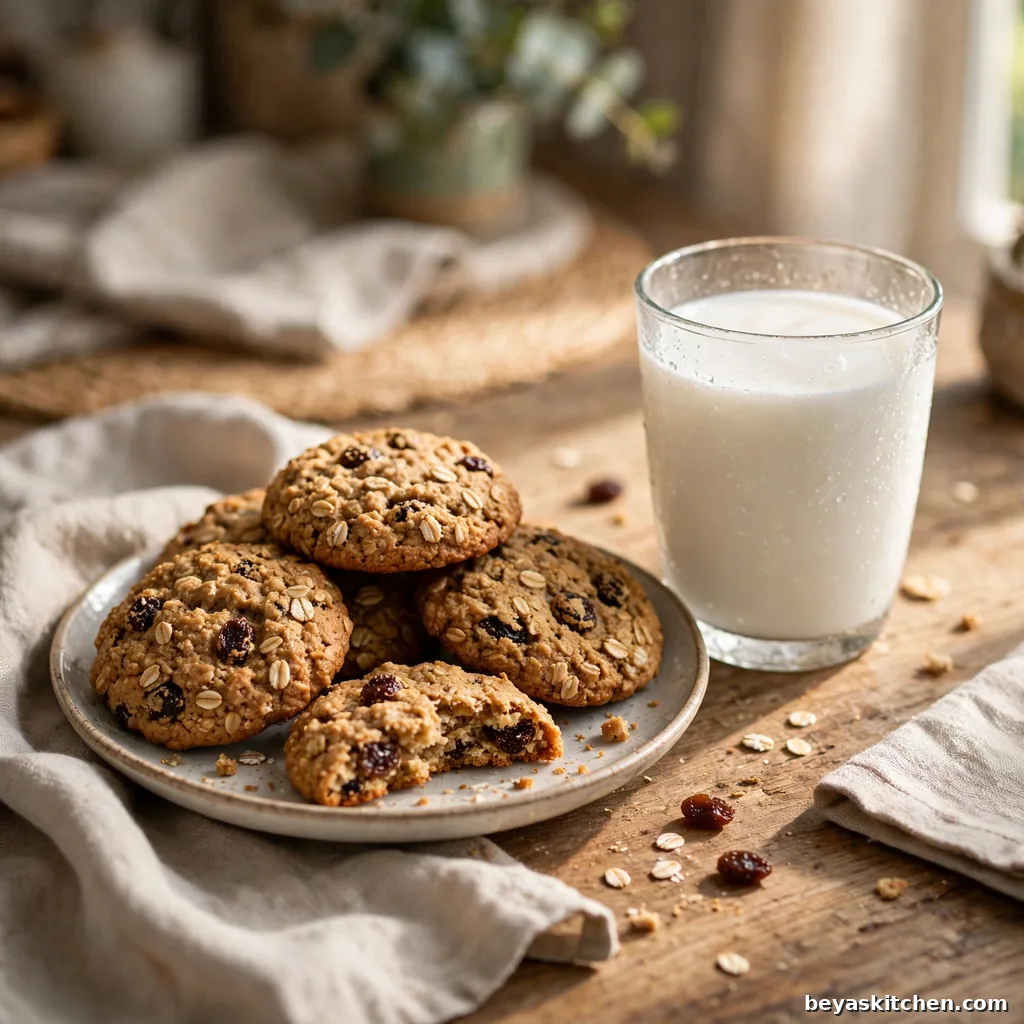
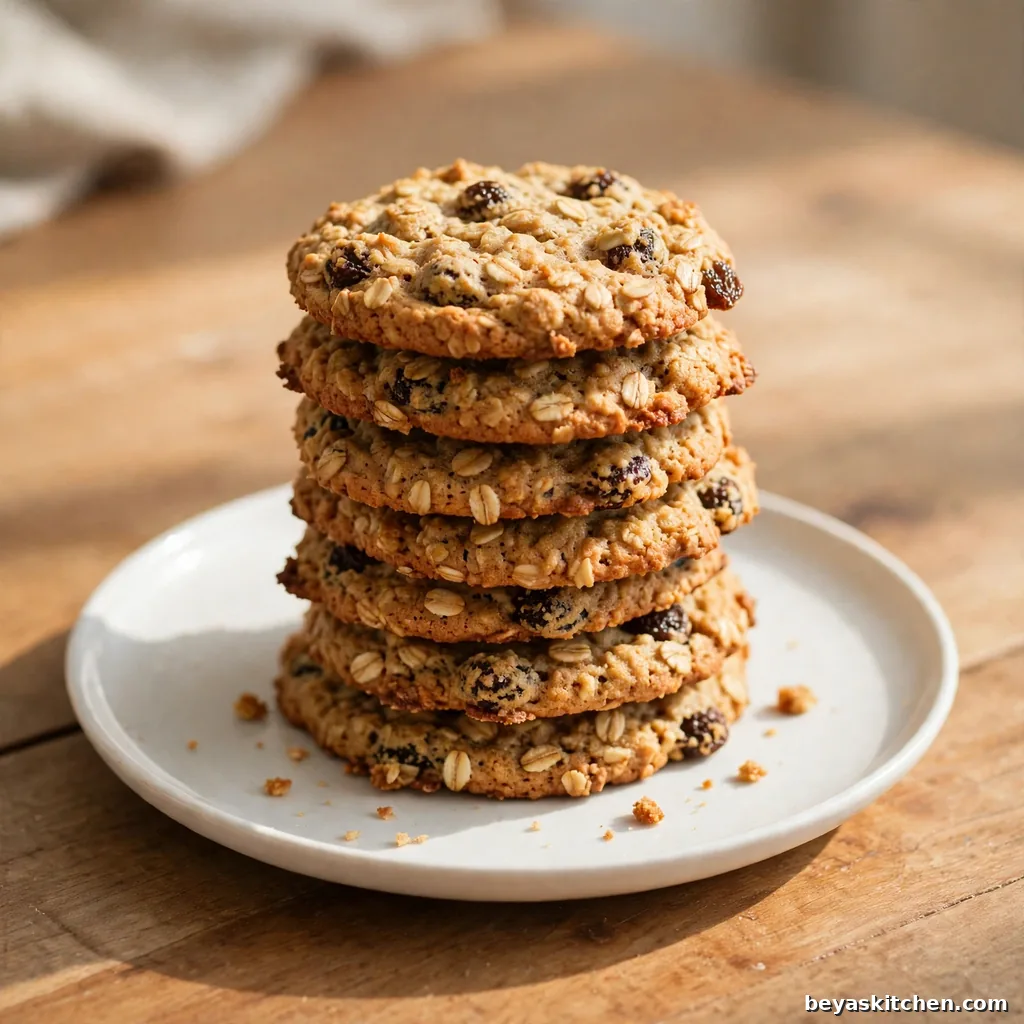
Warm cinnamon, chewy oats, and sweet raisins in every bite. These oatmeal raisin cookies bake up with crisp golden edges and soft centers that stay tender for days. Two small tricks do the heavy lifting here: the raisins soak in warm water first so they stay plump, and the dough rests in the fridge so the cookies bake thick instead of flat.
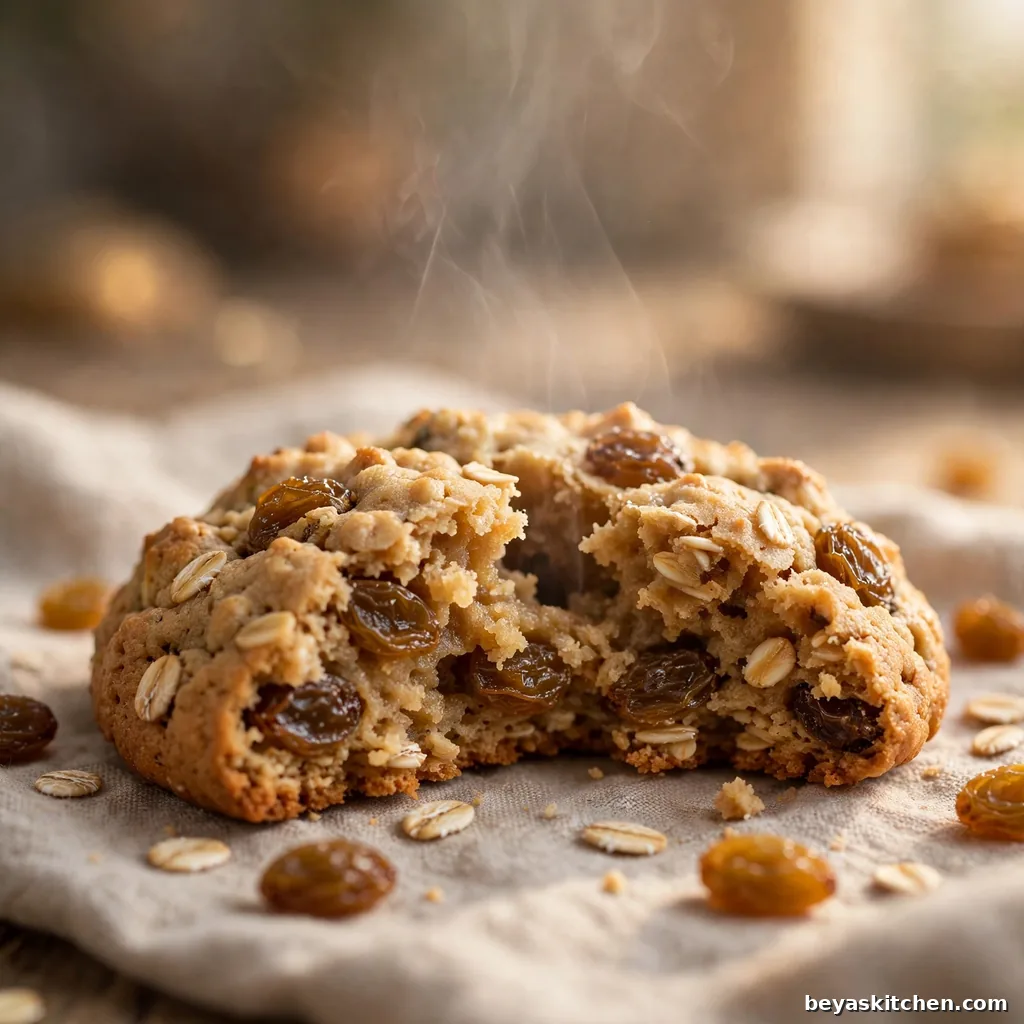
Dry raisins are the quiet problem in most trays of these cookies. A dry raisin pulls water out of the dough as it bakes, so the cookie around it turns hard. A short soak in warm water or apple juice fixes that, and the raisins stay soft in the hot oven.
The second trick is cold dough. Warm cookie dough spreads fast in the oven and bakes into thin, crisp wafers. Dough that rests in the fridge for 30 minutes spreads slow, so each cookie stays thick with a soft middle. Both tricks cost almost no work.
Why You Will Love These Oatmeal Raisin Cookies
- Soft centers and crisp edges in the same bite
- Plump raisins that never dry out or burn at the edges
- Thick cookies that hold their shape, thanks to the chilled dough
- One bowl for the wet mix and one for the dry, so clean up stays short
- The dough freezes well, so fresh warm cookies are always close
- The trays bake fast, about 11 minutes each
Ingredients
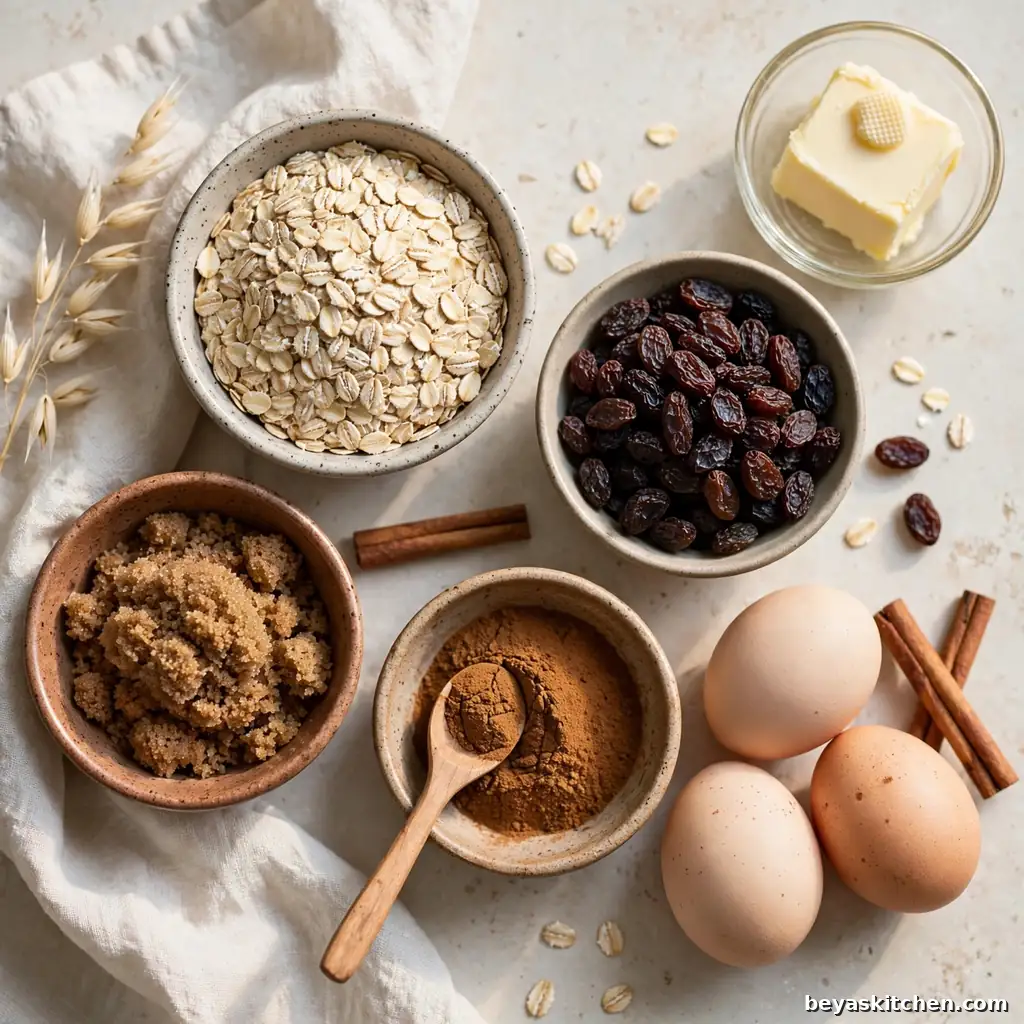
- 1 cup unsalted butter, soft at room temperature, 2 sticks (swap with 1 cup solid coconut oil for a dairy free batch)
- 1 cup packed light brown sugar (white sugar alone works, but the cookies lose some of their deep, warm taste)
- 1/2 cup granulated sugar
- 2 large eggs, at room temperature (swap with 2 flax eggs for an egg free batch: 2 tablespoons ground flaxseed mixed with 5 tablespoons water, rested for 10 minutes)
- 1 teaspoon pure vanilla extract
- 1 1/2 cups all purpose flour, King Arthur if you can get it, since its steady protein level helps the cookies hold together (swap with a 1 to 1 gluten free baking flour for a gluten free tray)
- 1 teaspoon baking soda
- 1 1/2 teaspoons ground cinnamon
- 1/2 teaspoon Diamond Crystal kosher salt, since the wide flakes spread evenly through the dough (use 1/4 teaspoon fine table salt instead)
- 3 cups old fashioned rolled oats, Bob’s Red Mill if you can get it, since the thick flakes keep a good chew (quick oats work in a pinch, but the cookies turn softer and flatter)
- 1 1/2 cups raisins, soaked and drained as in Step 1 below
- 1/2 cup chopped walnuts, optional, for a light crunch in some bites
Soak the Raisins First
This one step saves the whole batch. Raisins that go into dough dry will steal water from the cookies while they bake, and they can scorch at the edges of the tray. Fifteen minutes in warm water makes them plump and soft, and they stay soft in the finished cookie. Apple juice works in place of the water and adds a gentle fruit taste.
Allergen and Dietary Disclosure
Contains: gluten, dairy, and egg. Walnuts are optional and only count if you add them.
Gluten Free Option: use a 1 to 1 gluten free baking flour and oats that are labeled gluten free, since plain oats can carry traces of wheat.
Dairy Free Option: swap the butter with solid coconut oil in the same amount. Chill that dough for a full 45 minutes, since coconut oil melts faster in the oven.
Nut Free: leave the walnuts out. The base recipe then has no nuts at all.
Egg Free Option: use the 2 flax eggs from the ingredient list. The cookies turn a bit more soft and cake like, but they hold together well.
Disclaimer: Always confirm ingredients with your specific brand labels, as formulations vary by manufacturer.
Step-by-Step Instructions
Step 1: Put the raisins in a small bowl and pour warm water or apple juice over them until they are just covered. Let them sit for 15 minutes, then drain well and pat dry with a clean towel. They should look plump and feel soft.
Step 2: Heat the oven to 350°F (175°C). Line two baking trays with baking paper so the cookies lift off clean when they are done.
Step 3: Put the soft butter, the brown sugar, and the white sugar in a large bowl. Beat them with a mixer or a strong spoon for about 2 minutes, until the mix looks pale, light, and fluffy.
Chef’s Note: Soft butter is the key word here. Butter that is too cold will not whip up light, and melted butter makes the dough loose, so the cookies spread flat. Good soft butter bends when you press it and leaves a dent from your finger.
Step 4: Crack in the eggs one at a time, mixing well after each one, then stir in the vanilla. The mix should look smooth and glossy. The raw dough holds raw egg, so do not taste it before baking, and wash your hands, the bowl rim, and any spoon the dough touched with warm soapy water.
Step 5: In a second bowl, stir the flour, baking soda, cinnamon, and salt until the spices look even. Pour this dry mix into the butter bowl and stir just until no dry flour shows.
Step 6: Fold in the oats with a wide spoon, then fold in the drained raisins and the walnuts if you use them. Mix only until the oats and raisins spread through the dough in an even way.
Chef’s Note: Long mixing at this point wakes up the flour and makes the cookies tough. A few slow folds are all the dough needs once the oats go in.
Step 7: Cover the bowl and rest the dough in the fridge for 30 minutes. The oats drink up moisture in that time and the butter firms up, so the cookies bake thick.
Chef’s Note: Cold dough is your best guard against flat cookies. If your kitchen runs hot, scoop the dough balls first and chill the full tray for 15 minutes before it goes into the oven.
Step 8: Scoop balls of dough about 2 tablespoons each and set them on the lined trays with about 2 inches of space between them. Twelve balls fit well on one tray.
Step 9: Bake one tray at a time for 10 to 12 minutes. The cookies are ready when the edges look golden and firm and the centers still look soft and a little pale, slightly underdone in the middle. That is right.
Step 10: Leave the cookies on the hot tray for 5 minutes. They finish setting there and turn easy to move. Then lift them onto a wire rack to cool, where the bottoms stay crisp instead of steaming soft.
Chef’s Note: That short rest on the hot tray is where the soft center is born. Move them too soon and they can break apart. Bake them longer to feel safe and the centers turn dry and hard.
Expert Tips and Tricks
- Bring the eggs to room temperature in a bowl of warm water for 10 minutes. Cold eggs can make the butter seize into small lumps.
- Spoon the flour into the cup and level it off with a knife. A packed cup of flour is the fastest road to dry, heavy cookies.
- Use the same size scoop for every ball, so all the cookies bake at the same speed.
- Bake one test cookie first if your oven is new to you. It tells you if the oven runs hot before you risk the whole batch.
- Make ahead tip: freeze scooped dough balls solid on a tray, then store them in a freezer bag for up to 3 months. Bake from frozen and add 1 to 2 minutes.
- Storage tip: keep a small piece of soft bread in the cookie box. The cookies pull moisture from the bread and stay soft for days, as covered in the storage notes below.
Allergen-Specific Cooking Notes
Gluten free flour makes the cookies spread a bit more, so keep the full chill and set the balls farther apart. The coconut oil batch melts faster than butter, so the longer 45 minute chill matters there too. Flax eggs give a softer crumb that firms up as the cookies cool, so give that batch its full rest before moving any of them.
Storage Instructions
Room Temperature: up to 4 days in a sealed box or jar on the counter. Add the small piece of soft bread to keep the cookies tender.
Refrigerator: the baked cookies keep for up to 1 week in a sealed box, though the fridge air slowly dries them. Raw dough keeps for up to 3 days, covered tight, so you can bake small fresh trays when you want them.
Freezer: baked cookies freeze for up to 3 months in a freezer bag with the air pressed out. Frozen dough balls keep for the same 3 months and bake from frozen with 1 to 2 extra minutes.
Reheating: warm a cookie in a 300°F (150°C) oven for 3 to 4 minutes to bring back the crisp edge, or use the microwave for 10 seconds for a soft, warm center.
Make-Ahead Notes: the dough can rest in the fridge for up to 3 days and the taste deepens as it sits. Frozen scooped balls are the best plan for busy weeks.
Soft Centers Are Set on the Tray, Not in the Oven
Most hard trays of these cookies were not mixed wrong. They were baked too long. Pull the tray when the edges look golden and the centers still look soft and pale. The heat of the tray finishes the middle in a gentle way, and that is how you get a soft, chewy center instead of a dry snap.
Variations and Substitutions
Warm Spice Batch: add 1/2 teaspoon ground ginger and a pinch of ground nutmeg with the cinnamon. The heat stays gentle, and the whole kitchen smells like a holiday morning.
Mild and Kid Friendly: cut the cinnamon to 1/2 teaspoon and swap half of the raisins with mini chocolate chips. The taste turns sweet and simple for young eaters.
Full Vegan Tray: use the coconut oil swap and the flax eggs from the ingredient list. The cookies bake a little flatter, with a soft crumb and a light coconut hint.
Gluten Free Tray: use the 1 to 1 gluten free flour and labeled gluten free oats. Keep the full chill, since this dough spreads the most of all.
Apple Oat Batch: swap half of the raisins with small dried apple pieces and add one extra pinch of cinnamon. The apple bits stay chewy and give a soft fruit pie feel.
What to Serve With This
Cold Milk: the classic glass beside a warm cookie, cool and plain between sweet bites.
Hot Tea: a plain black tea cuts the sweet edge for a calm afternoon pause.
Vanilla Ice Cream: press a scoop between two cookies for a simple sandwich. Freeze the pair for 20 minutes so they hold together when you bite.
Plain Greek Yogurt: crumble a cookie over a bowl of yogurt for a breakfast that feels like a treat.
Hot Coffee: the deep taste of coffee sits well next to the brown sugar and cinnamon.
Nutrition Information
| Calories per Serving | approximately 175 |
| Protein | 2 g |
| Carbs | 27 g |
| Fat | 7 g |
| Fiber | 2 g |
| Sugar | 15 g |
| Sodium | 105 mg |
| Serving Size | 1 cookie |
| Servings per Recipe | 24 |
Oats bring fiber to every cookie, and raisins add iron and natural fruit sugar in place of some refined sugar. Most of the fat sits in the butter, so the coconut oil swap keeps the count close while it drops the dairy. A smaller 1 tablespoon scoop gives a lighter cookie of roughly 90 calories.
Disclaimer: Nutrition values are approximate and calculated per serving using standard ingredient amounts. Values may vary based on brands used and portion sizes.
Follow on Pinterest for new updates at Beyaskitchen
Frequently Asked Questions
1. Why did my oatmeal raisin cookies come out flat?
Warm dough is the top cause. If the butter was melted or the dough skipped its chill, the cookies spread fast and bake thin. A packed cup of flour works the other way and makes them heavy, so spoon and level it each time. Chill the scooped tray for 15 minutes before baking, and most flat trays turn thick and chewy again.
2. Can I make the dough ahead of time?
Yes, and the taste gets better as it rests. Keep covered dough in the fridge for up to 3 days, then scoop and bake. For a longer plan, freeze scooped balls solid on a tray and store them in a freezer bag for up to 3 months. Bake them from frozen at the same heat and add 1 to 2 minutes.
3. Can I use quick oats instead of old fashioned oats?
You can, and the cookies still taste good, but the bite changes. Quick oats are cut small, so they drink up more moisture and give a softer, flatter cookie with less chew. Old fashioned rolled oats keep their shape and give the thick, hearty bite this recipe is built on. Steel cut oats do not work here, since they stay hard after baking.
4. How do I know when the cookies are done?
Watch the edges and the centers together. The edges should look golden and set, while the centers still look soft, pale, and a little wet. That point lands at 10 to 12 minutes in most ovens at 350°F (175°C). The cookies finish setting during their 5 minute rest on the hot tray, so a slightly underdone center at the oven door means you pulled them at the right time.
5. Why do my cookies turn out dry and hard every time?
Two habits cause most dry trays: too much flour from a packed cup, and a bake that runs long because the centers did not look done. Spoon and level the flour, pull the tray when the centers still look soft, and soak the raisins so they give moisture to the dough instead of stealing it. Those three fixes solve the problem for most home bakers.
Conclusion
Plump raisins, cold dough, and a tray pulled from the oven at the right minute. Those three small habits turn a plain batch of oatmeal raisin cookies into thick, chewy cookies with crisp edges and soft centers every time. Bake one tray today, freeze a bag of dough balls for later, and warm cookies will never be far away in your home. If you loved this recipe, save it to your cookie recipes Pinterest board so you can find it easily later.
Get more updates at: beyaskitchen
Ingredients
Equipment
Method
- Soak the raisins in warm water or apple juice for 15 minutes. Drain them well and pat them dry.
- Heat the oven to 350°F (175°C) and line two baking trays with baking paper.
- Beat the soft butter, brown sugar, and white sugar for about 2 minutes, until pale and fluffy.
- Mix in the eggs one at a time, then the vanilla, until smooth and glossy.
- Stir the flour, baking soda, cinnamon, and salt in a second bowl. Add it to the butter bowl and stir just until no dry flour shows.
- Fold in the oats, then the drained raisins and the walnuts if you use them.
- Cover the bowl and chill the dough in the fridge for 30 minutes.
- Scoop balls of about 2 tablespoons and set them on the lined trays, 2 inches apart.
- Bake one tray at a time for 10 to 12 minutes, until the edges look golden and the centers still look soft.
- Rest the cookies on the hot tray for 5 minutes, then move them to a wire rack to cool.