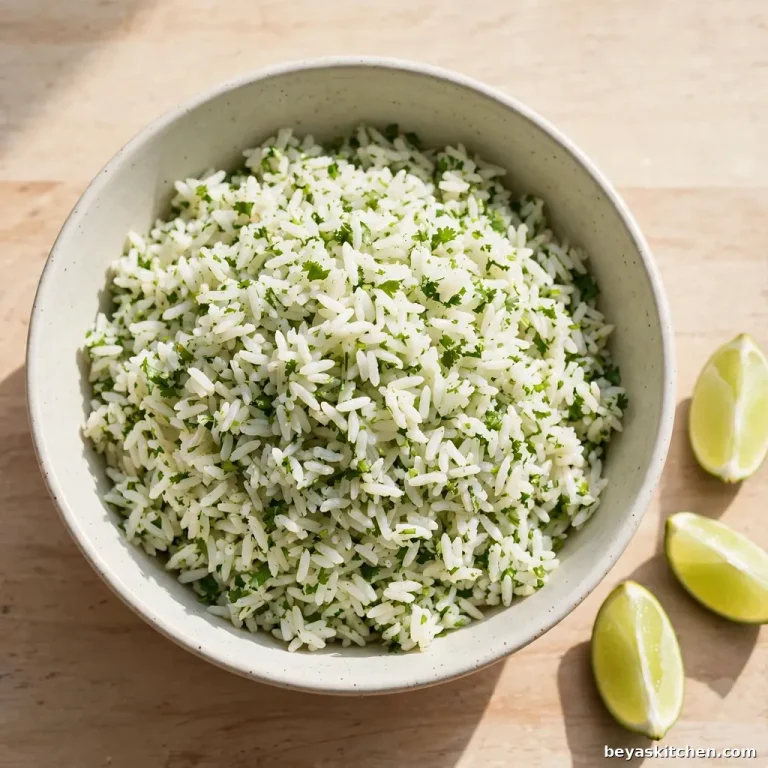
Greek Salad: Fresh, Crisp, and Ready in 20 Minutes
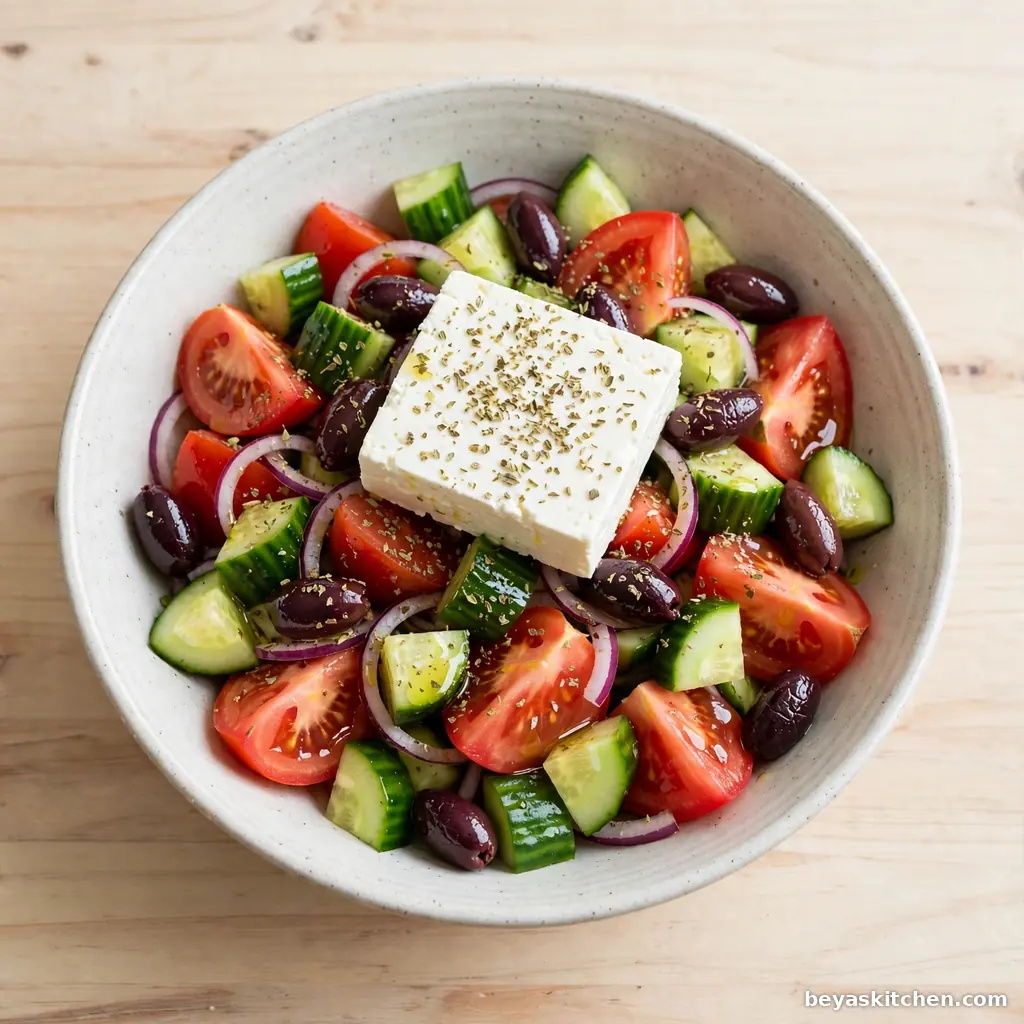
A real greek salad is all about big, fresh chunks and good feta on top. You cut ripe tomatoes, crisp cucumber, sweet pepper, and red onion into large pieces. Then you add salty olives and lay one thick block of feta over the whole bowl. A pour of olive oil and a shake of oregano finish the job. There is no cooking at all, and the bowl is ready in about 20 minutes.
Why You Will Love This Recipe
- There is no cooking, so this salad fits the hottest summer days.
- The whole bowl comes together in about 20 minutes with just a knife and a board.
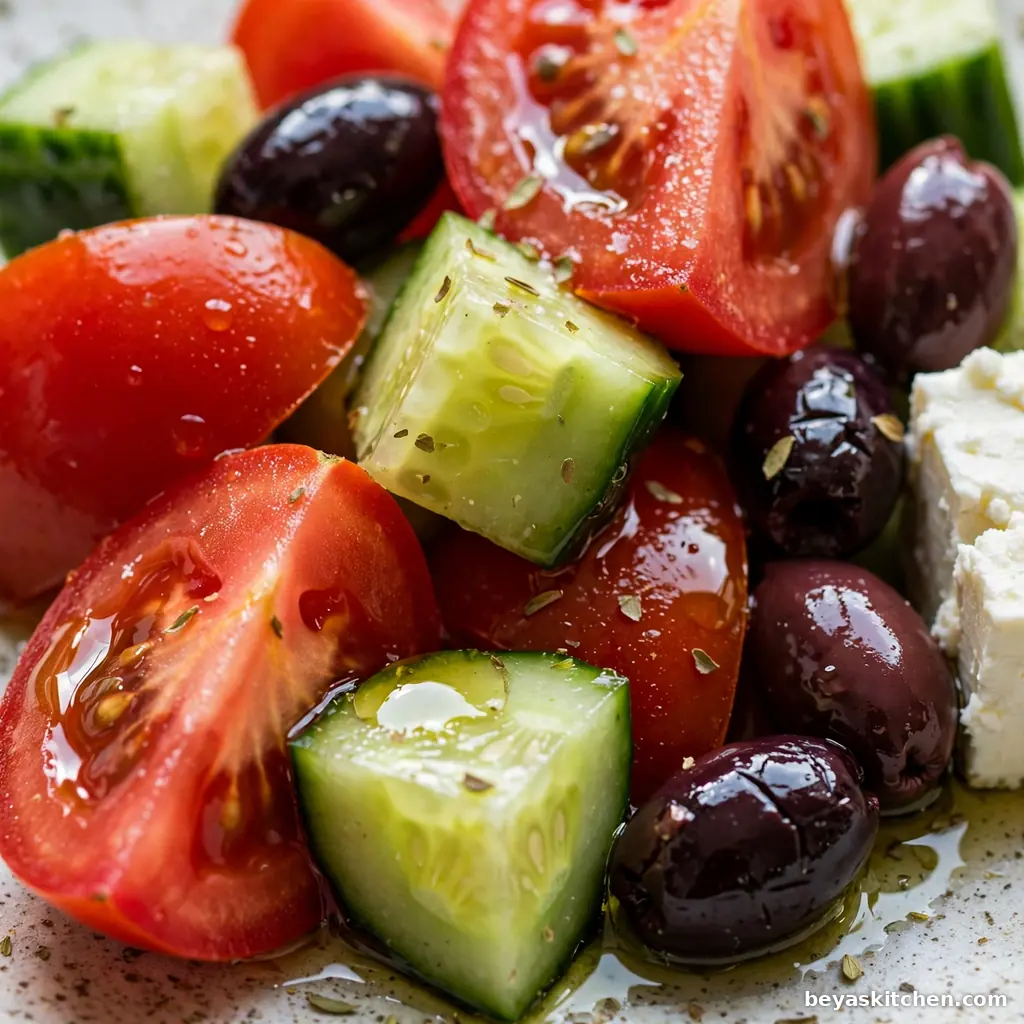
- Big chunks mean every bite stays crisp, fresh, and full of juice.
- The feta block on top looks grand at the table and tastes rich and salty.
- One bowl works as a light lunch, a side dish, or a starter for guests.
- Leftovers hold well for lunch the next day if you keep the cheese apart.
Ingredients
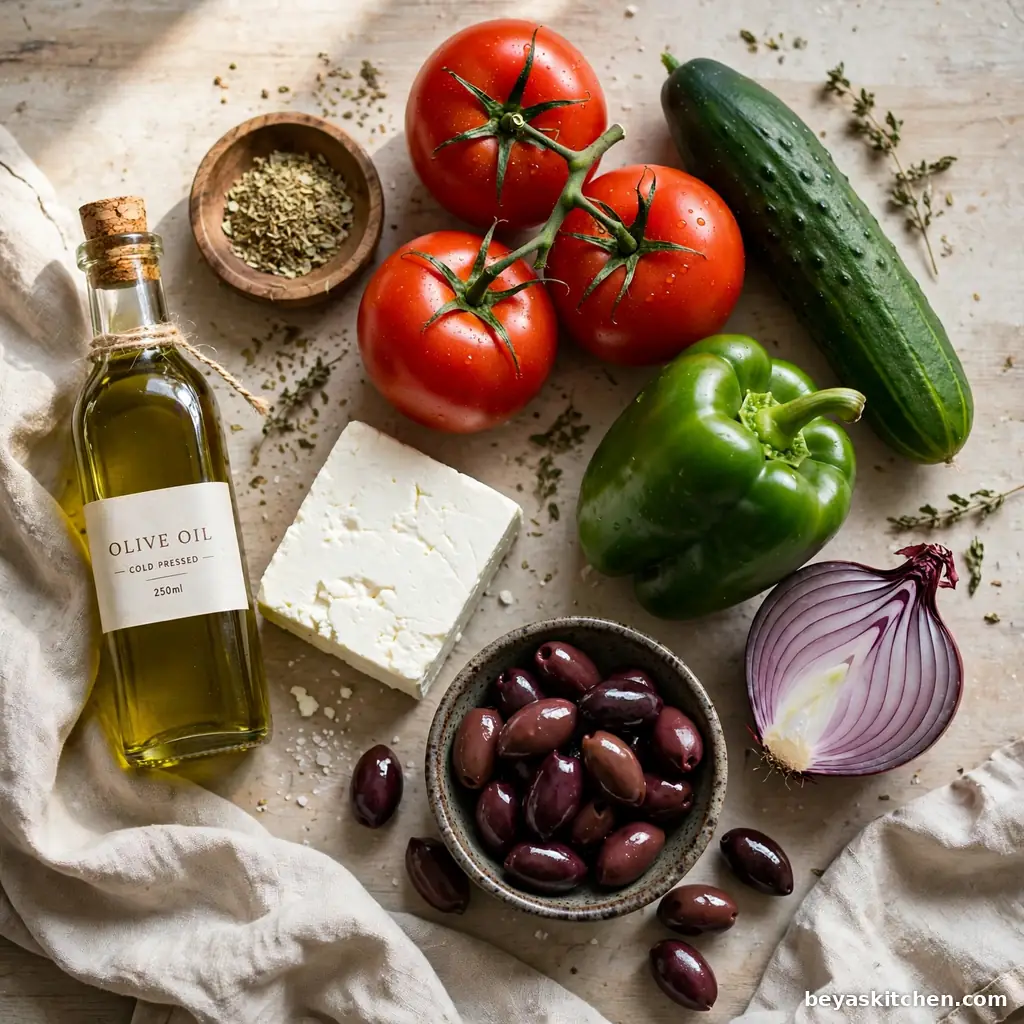
- 4 large ripe tomatoes (about 1 and 1/2 pounds)
- 1 large English cucumber
- 1 green bell pepper
- 1/2 medium red onion
- 1 cup Kalamata olives (or plain black olives)
- 7 ounces feta cheese, in one block (about 200 grams)
- 1/4 cup extra virgin olive oil (a good oil matters a lot here)
- 1 tablespoon fresh lemon juice
- 1 teaspoon dried oregano, plus a little more for the top
- 1/2 teaspoon fine salt, plus more to taste
- 1/4 teaspoon black pepper
A quick word about the feta: buy it as a block, not as small crumbs. A block stays firm, tastes creamier, and looks right on top of the bowl. Crumbs fall down into the juice and get lost. Tomatoes matter just as much. Pick heavy, deep red tomatoes that smell sweet at the stem. Pale, hard tomatoes give you a pale, weak salad, so choose with care at the store.
The olives bring the deep, salty taste that makes this salad feel like Greece. Kalamata olives are the classic pick, with a rich taste and a soft bite. Plain black olives work too, and green olives give a more sharp, firm bite if your family likes them. If the olives taste too salty straight from the jar, rinse them fast under cold water and pat them dry. That one small step keeps the whole bowl in balance.
Allergen and Dietary Disclosure
Contains: Milk, from the feta cheese. That is the only common allergen in this salad.
Dairy-Free Option: Leave the feta off, or swap it for a plant based feta style cheese. The salad stays fresh and tasty, just less salty, so add a small pinch more salt.
Gluten-Free: This salad has no gluten in it at all, so no change is needed.
Egg-Free: This recipe has no egg, so no change is needed.
Nut-Free: This recipe has no nuts, so no change is needed.
Soy-Free: This recipe has no soy, so no change is needed.
Always check the labels on your own brands, because recipes for store foods can change.
Step-by-Step Instructions
Step 1: Wash all the vegetables and pat them dry with a clean towel. Cut the tomatoes into big wedges, then cut each wedge in half. Put the pieces in a large, wide bowl. The pieces should be big enough to pick up with a fork in one bite.
Step 2: Cut the cucumber in half the long way. Then cut each half into thick half moons, about 1/2 inch wide. Add them to the bowl. Thick pieces stay crisp and do not turn soft in the juice.
Chef’s Note: Keep every cut big and bold. Small dice makes a wet, mushy bowl. Big chunks are the whole secret of a true village style salad.
Step 3: Cut the green bell pepper into short, thick strips. Slice the red onion into very thin half rings. Add both to the bowl. Thin onion gives a sweet bite and does not take over the whole salad.
Step 4: Scatter the olives over the vegetables. If your olives have pits, leave them whole and warn your family at the table. Whole olives taste better and look better than sliced ones here.
Chef’s Note: Salt the tomatoes first, before the oil goes on. A small pinch of salt pulls out sweet juice from the tomatoes. That juice mixes with the oil and turns into the best part of the dressing.
Step 5: Sprinkle the salt and black pepper over the bowl. Pour the lemon juice over the top. Toss the salad once or twice with two big spoons, just enough to coat every piece. Do not toss again and again, or the tomatoes will break and flood the bowl.
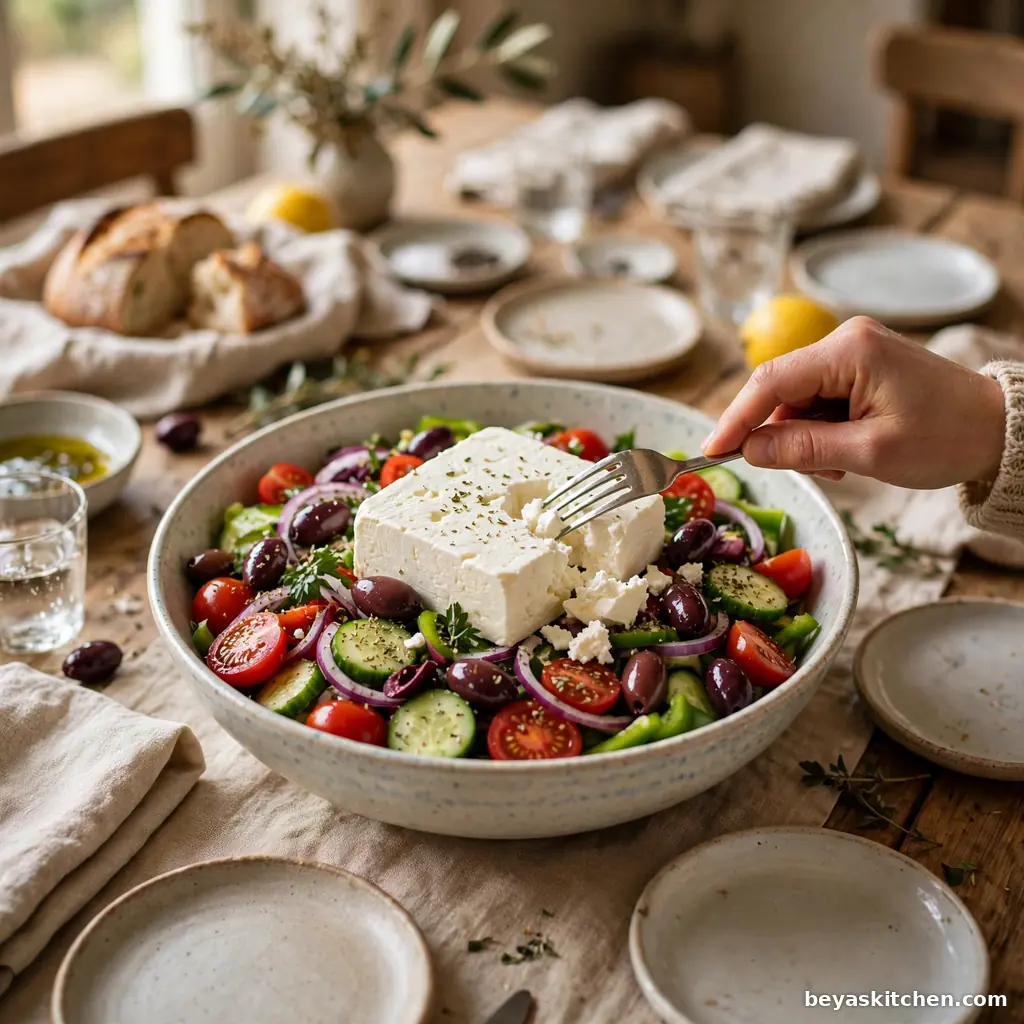
Step 6: Lay the whole block of feta right on top of the salad, in the center. Do not crumble it. The block is the crown of this dish, and each person breaks off a piece at the table.
Step 7: Pour the olive oil slowly over the feta and the whole bowl. Sprinkle the dried oregano on top of the cheese. The salad is done when the oil shines on the feta and you can smell the oregano.
Chef’s Note: Put the oil on at the very end, never at the start. Oil first seals the vegetables and the salt cannot do its work. Salt, then lemon, then oil. That order gives you the most flavor with no extra steps.
Expert Tips for the Best Greek Salad
- Let the cut tomatoes sit with the salt for 5 minutes before you build the rest. The juice that forms is pure flavor.
- Serve the salad at room heat, not ice cold from the fridge. Cold dulls the taste of tomatoes and good olive oil.
- Soak red onion slices in cold water for 10 minutes if the onion tastes too sharp. Drain them well before you add them.
- Use your best olive oil here. There is no cooking to hide a plain oil, so a fruity, fresh oil makes a real change.
- Make the salad in a wide, flat bowl, not a deep one. Wide bowls show off the feta block and keep the chunks from getting crushed.
- Add the feta and the oil at the table if you want a small show for guests. It takes ten seconds and looks great.
- Dry the vegetables well after you wash them. Water left on the cucumber and tomatoes thins the oil and makes the bottom of the bowl soupy.
- Taste one tomato wedge after the salt rest. Some tomatoes are sweet, some are tart, and one small taste tells you if the bowl needs the full spoon of lemon or just half.
- Break the feta with a fork at the table, not with a knife. A fork gives rough, natural pieces that look and taste better than neat cubes.
The Chunk Size Rule
Cut big, always. A greek salad is not a fine chopped salad. Each piece should be a full bite on its own, so you taste tomato, then cucumber, then pepper, one by one. Small cuts give you one mixed mush with too much juice at the bottom of the bowl. Big cuts give you crisp bites and a clean, fresh taste from start to end.
Storage Instructions
Room Temperature: The salad can sit on the table for up to 2 hours while you eat. After that, move it to the fridge.
Refrigerator: Keep leftovers in a sealed box for up to 2 days. The chunks stay fairly crisp on day one and soften a bit on day two.
Freezer: Do not freeze this salad. Fresh tomatoes and cucumber turn soft and watery after they thaw, and the feta goes grainy.
Reheating: There is nothing to reheat. Eat it cool or let the box sit on the counter for 15 minutes so it loses the hard fridge chill.
Make-Ahead Notes: You can cut the cucumber, pepper, and onion up to 1 day ahead and keep them dry in a box. Cut the tomatoes, add the feta, and pour the oil no more than 30 minutes before you serve.
Keep the Cheese Apart
If you plan to save some salad for the next day, lift the feta block off and store it in its own small box. Feta left sitting in tomato juice all night turns too soft and too salty at once. Apart, the cheese stays firm and the salad stays fresh.
Variations and Substitutions
With Grilled Chicken: Lay slices of warm grilled chicken breast on top for a full meal. The salad then feeds a family as a main dish, not just a side.
Chopped Style: Cut all the vegetables into small, even pieces and crumble the feta through the salad. This style scoops well onto bread or into a wrap for lunch.
Spicy Kick: Add one fresh green chili, cut into thin rings, or a pinch of red chili flakes over the feta. The heat plays well with the cool cucumber.
Mild and Kid Friendly: Skip the red onion and use sweet yellow pepper in place of green. Kids also like extra cucumber and a smaller, softer piece of feta on their plates.
Extra Crunch: Add a handful of romaine leaves, torn big, under the chunks. It is not the old way, but it stretches the bowl for a big family table.
How to Serve It at the Table
Bring the whole bowl to the table as it is, with the feta block still on top. Let the oldest person or the guest of honor break the first piece of cheese. That small moment is part of the fun of this dish. Give each person a small plate and a big spoon, and let them take the chunks they like most. Some people fight for the olives, some for the feta, and some just want the juice soaked bread at the end. Serve the bread in a basket on the side, warm if you can, so no drop of the tomato and oil juice goes to waste.
What to Serve With This
Warm pita bread: Soft pita scoops up the juice at the bottom of the bowl, and that juice is too good to waste.
Grilled chicken or beef skewers: Hot meat with a cool, crisp salad is a classic summer plate. The salad cuts the rich taste of the grill.
Baked fish: A mild white fish with lemon loves this salad next to it. Both are light, fresh, and fast.
Rice pilaf: Warm rice turns the salad into a full meal and soaks up the olive oil and tomato juice.
A lentil soup: Start with a warm bowl of soup, then the cold salad. The mix of hot and cold, soft and crisp, keeps the meal fun.
Nutrition Information
| Per Serving | Amount |
|---|---|
| Calories | 210 |
| Protein | 5 g |
| Carbs | 9 g |
| Fat | 17 g |
| Fiber | 2 g |
| Sugar | 6 g |
| Sodium | 560 mg |
| Serving Size | About 1 and 1/2 cups |
| Servings per Recipe | 6 |
Most of the fat here comes from the olive oil and the feta, and the olive oil is the kind of fat that helps your heart. The vegetables bring fiber, vitamin C, and lots of water, so the salad fills your plate without many calories. The salt in the feta and olives is the part to watch, so taste before you add extra salt at the table.
These values are approximate, worked out per serving with standard amounts. Your numbers may change a little with other brands or a bigger block of feta.
Follow on Pinterest for new updates at Beyaskitchen
Frequently Asked Questions
1. Can I make greek salad ahead of time?
You can do part of it ahead. Cut the cucumber, pepper, and onion up to one day early and keep them dry in a sealed box in the fridge. Cut the tomatoes and finish the salad no more than 30 minutes before you serve. Tomatoes release juice as they sit, and the feta softens, so a fully built salad is always best fresh.
2. Why does my greek salad turn watery?
Too much juice at the bottom means the tomatoes sat in salt for too long, or the cuts were too small. Cut big chunks, salt just before you serve, and toss only once or twice. A wide bowl also helps, because the pieces rest in a thin layer and do not crush each other under their own weight.
3. What cheese can I use if I have no feta?
A firm goat cheese is the closest swap in taste and texture. Fresh mozzarella balls also work, but they are much more mild, so add a small pinch of extra salt. For a dairy free bowl, use a plant based feta style cheese or leave the cheese out and add a few more olives.
4. Do I peel the cucumber for greek salad?
No, you do not need to peel it. The dark green skin adds color and crunch, and it helps the pieces hold their shape in the juice. If you use a thick skinned garden cucumber, you can peel off long stripes for a pretty look, or scoop out big seeds if they bother you.
5. What is the real dressing on a greek salad?
In Greece, the dressing is plain and simple: good olive oil, a little salt, and dried oregano. Some cooks add a splash of lemon juice or a mild vinegar, like this recipe does with lemon. There is no thick bottled dressing and no long list of spices. The juice from the salted tomatoes does half the work for you.
Conclusion
Fresh chunks, salty olives, one proud block of feta, and good olive oil. That is the whole story of a great greek salad, and now it is yours in about 20 minutes with no stove and no stress. Make it for a hot day lunch, set it next to grilled food, or put it in the middle of the table and let everyone dig in. Big cuts, salt first, oil last. If you loved this recipe, save it to your fresh salads Pinterest board so you can find it easily later.
Get more updates at: beyaskitchen
Ingredients
Method
- Wash and dry all the vegetables. Cut the tomatoes into big wedges, then cut each wedge in half. Put them in a large, wide bowl.
- Cut the cucumber in half the long way, then into thick half moons about 1/2 inch wide. Add to the bowl.
- Cut the green bell pepper into short, thick strips. Slice the red onion into very thin half rings. Add both to the bowl.
- Scatter the olives over the vegetables.
- Sprinkle the salt and black pepper over the bowl. Pour the lemon juice over the top and toss once or twice with two big spoons.
- Lay the whole block of feta on top of the salad in the center. Do not crumble it.
- Pour the olive oil slowly over the feta and the whole bowl. Sprinkle the dried oregano on top and serve.